How to Pack for Changing Weather Without Overpacking

- •Why Weather Makes Packing Hard
- •Start With the Temperature and Weather Range
- •Build a Layering System, Not a Wardrobe
- •Cut What You Don't Need
- •Account for Accessibility and Mobility
- •Leave Room in Your Bag
- •Example: Autumn Road Trip From Coast to Mountains
- •Quick Checklist Before You Zip Up
- •When to Check Official Guidance
- •References
Why Weather Makes Packing Hard
Start With the Temperature and Weather Range
Build a Layering System, Not a Wardrobe
- Base layer: Wicks moisture and sits comfortably against skin.
- Mid layer: Adds insulation for cooler conditions.
- Outer layer: Shields against wind and precipitation.
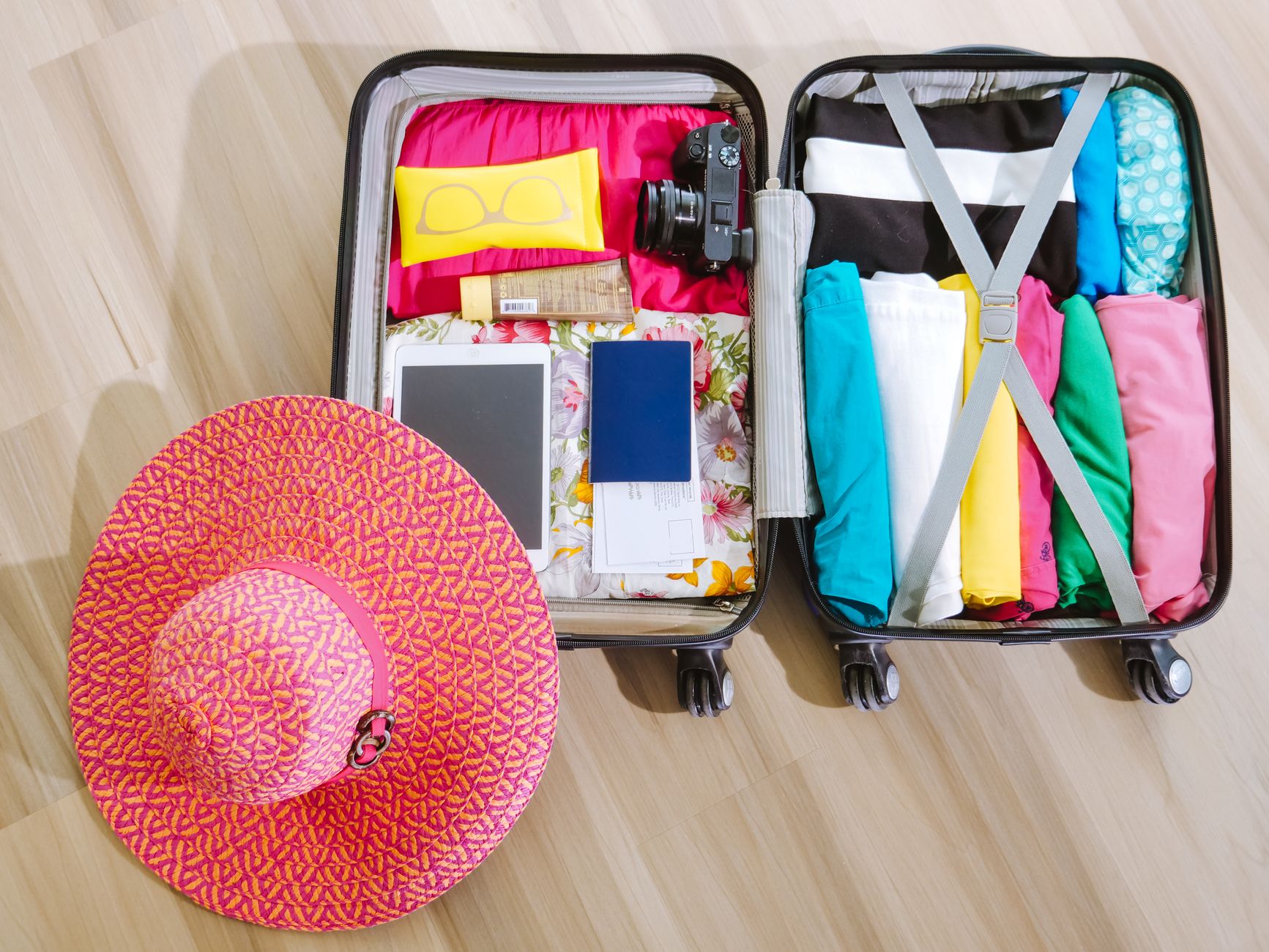
Cut What You Don't Need
Account for Accessibility and Mobility
Leave Room in Your Bag
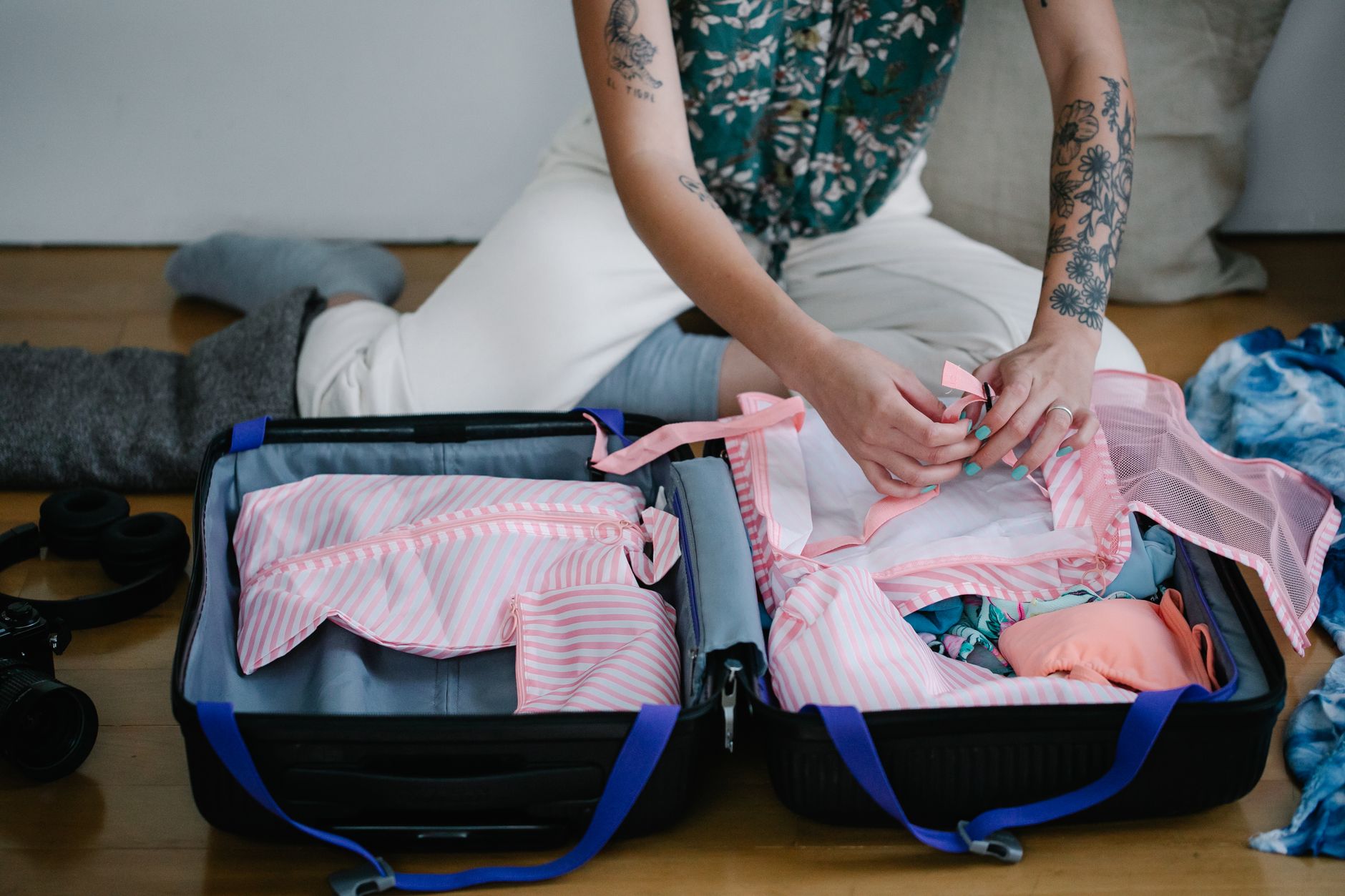
Example: Autumn Road Trip From Coast to Mountains
- Weather range: 35°F to 75°F, with both rain and sun.
- Layering kit:
- Accessibility additions:
- Space left over: 15% of bag empty for local purchases or unexpected needs
| Layer | Purpose | Example Item |
|---|---|---|
| Base | Moisture management | Synthetic/merino tee |
| Mid | Insulation | Light fleece |
| Outer | Rain/wind protection | Waterproof jacket |
Quick Checklist Before You Zip Up
- Do all items serve a clear weather or accessibility function?
- Can each layer be worn in multiple combinations?
- Are there any single-use, bulky items you could swap for layers?
- Have you checked official sources for weather and accessibility updates?
- Is there space left for adjustments or purchases?
- Are your liquids and medical supplies compliant with security rules? (For air travel, see TSA's 3-1-1 liquids rule: https://www.tsa.gov/travel/security-screening/liquids-rule)
When to Check Official Guidance
References
National Park Service, Accessibility — park access resources for visitors with disabilities. https://www.nps.gov/subjects/accessibility/index.htm
REI Co-op Expert Advice, Layering Basics — clothing-system guidance for changing weather. https://www.rei.com/learn/expert-advice/layering-basics.html
Transportation Security Administration, Liquids Rule — 3-1-1 carry-on liquids guidance. https://www.tsa.gov/travel/security-screening/liquids-rule
Transportation Security Administration, What Can I Bring? — passenger screening item rules for carry-on and checked bags. https://www.tsa.gov/travel/security-screening/whatcanibring/all
U.S. Customs and Border Protection, Travel — arrival, declaration, and Trusted Traveler program entry points. https://www.cbp.gov/travel
Article information

About the author
Noah BrooksTravel Planning & Gear Contributor
Noah Brooks writes WideWorldBlog's travel-planning and gear guides. He focuses on checklists, packing systems, and practical product categories travelers actually use.
More from Noah →This information is general and is not a substitute for professional advice for your specific situation.