Carry-On Packing Systems: Practical Criteria for Accessible and Organized Travel
Travelers face a real dilemma when trying to keep their carry-on bags organized, compliant, and accessible—especially when dealing with accessibility needs or unpredictable road trips. This feature walks through the key criteria and practical steps for building a carry-on packing system that actually works, sidestepping the usual one-size-fits-all advice. It covers how to balance access and compression, set up functional zones, adapt for accessibility, and stay compliant with travel regulations.
The Carry-On Challenge: Why Organization Fails on the Road
Most travelers have experienced the chaos of a disorganized carry-on: clothes tumbling out at security, essential meds buried, or critical documents lost in a tangle of chargers and snacks. For those with mobility or sensory needs, these problems are magnified. The goal isn’t just to fit more into your bag—it’s to create a system that lets you reach what you need, when you need it, without stress or risk. Building a carry-on packing system is about practical access, not just squeezing in extras.
Defining Your Packing Priorities
Before you start rearranging gear, clarify what matters most for your trip. Are you facing strict airline limits, unpredictable weather, or a long road journey with few stops? If you have accessibility needs, do you require tactile cues or easy-grip zippers? Your priorities might include:
Fast access to medications or documents
Keeping clean and dirty clothes separated
Adapting for limited mobility or dexterity
Compliance with airline and border rules
Write down your non-negotiables. This will guide every decision in your packing system.
Functional Zones: The Backbone of Reliable Packing
A carry-on that works is built around clear zones—dedicated spaces for each category of item. For example, one section for medications and documents, another for electronics, and separate zones for clothing. This reduces frantic searching and helps you reset your bag after every stop. Travelers with visual or cognitive needs can use color-coded cubes or tactile markers to make these zones even more intuitive. Consistency is key: assign each item type a home, and return it there after use.
Balancing Compression with Easy Access
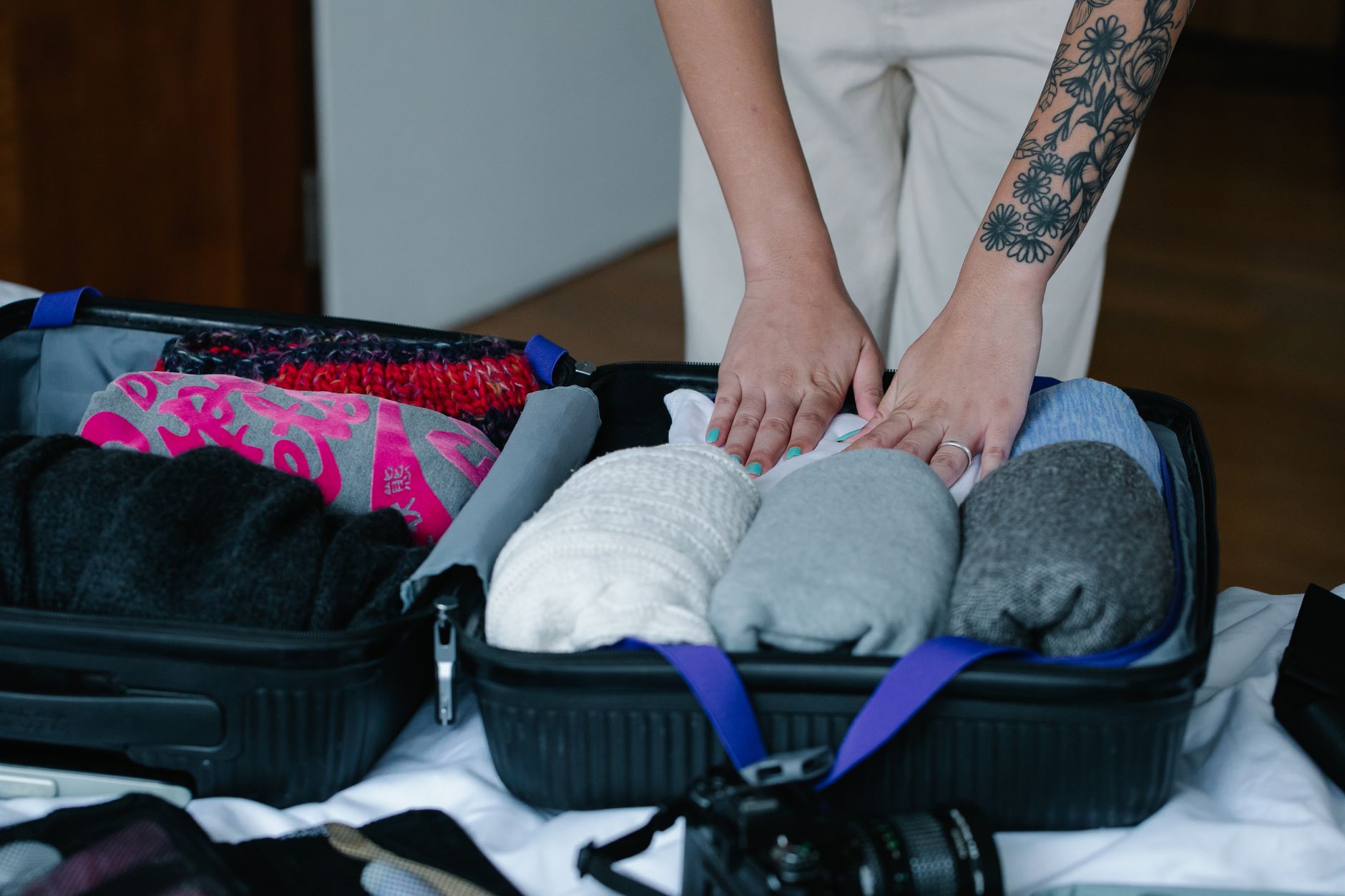
Compression cubes and folders can save space, but they often come at the cost of accessibility. Over-compressing clothes or gear creates dense blocks that are hard to rummage through mid-journey. Instead, use compression selectively: bulkier clothing can be compressed, but keep daily essentials—like medications or tech—loose and at the top. When in doubt, prioritize the ability to quickly reach your most-used items over maximizing packing density. This is especially important for travelers who need to retrieve items with one hand or limited dexterity.
Nothing ruins a trip like mixing soiled laundry with clean clothes. The simplest fix is a dedicated, waterproof pouch or bag for dirty items. Odor-resistant options are ideal for longer journeys or hot climates. Make sure your system lets you isolate laundry quickly, especially if you have limited time or space to repack en route. A short nightly routine—just a couple of minutes—can keep your zones tidy and prevent contamination, which is critical if you have sensitive skin or medical equipment in your bag.
Adapting for Accessibility: Small Tweaks, Big Impact
Accessible packing isn’t just about the bag—it’s about how you use it. Tactile labels, color-contrasted cubes, and large zipper pulls can make a huge difference for travelers with vision or dexterity challenges. Choose carry-ons with wide openings and stable, lightweight frames. Pre-pack medications and assistive gear in the most accessible outside pocket, and keep documentation handy for any medical devices. If you travel with a support person, agree on your packing zones so they can assist without confusion. For more on accessible travel gear, see government accessibility resources.
Staying Compliant: Navigating Security and Border Rules
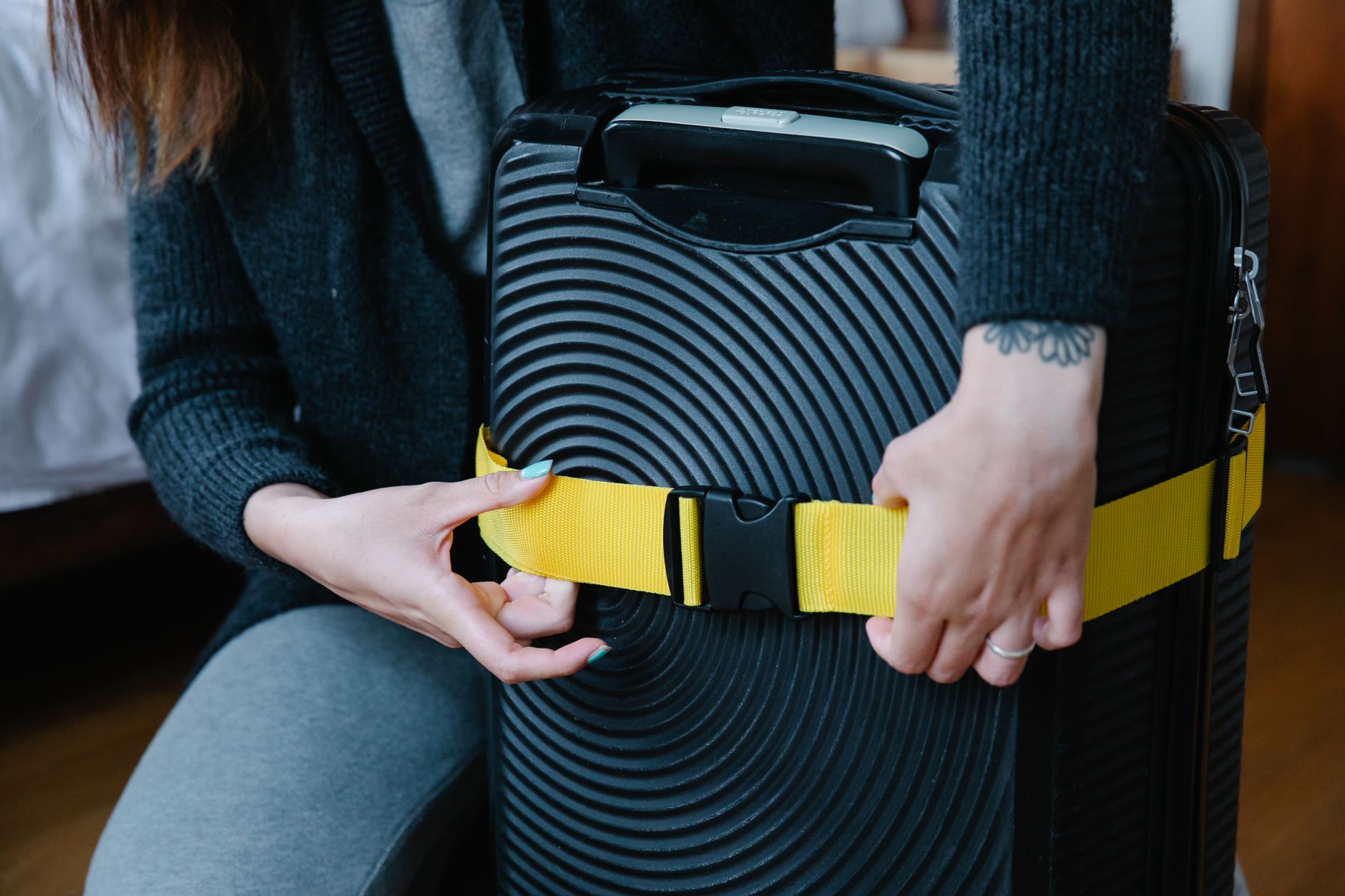
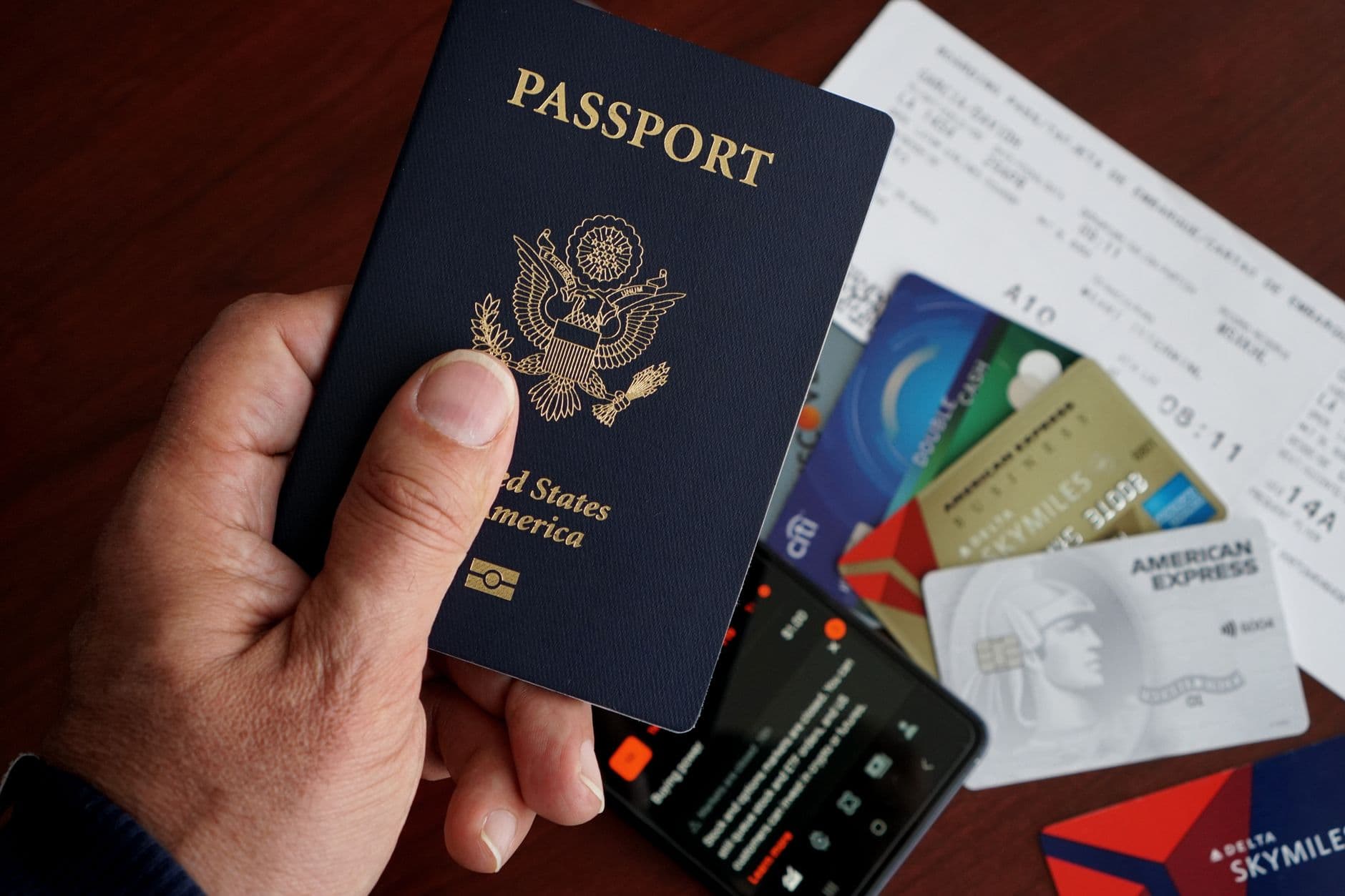
Security checkpoints and border crossings can upend even the best packing system. Keep items that need inspection—liquids, electronics, travel documents—in an outer or easily reached pouch. Always check the latest rules for liquids, medications, and batteries before you pack. If you rely on medical devices or prescription meds, carry documentation and keep these items separate from your main clothing zones. For international road trips or flights, confirm regulations for both departure and arrival locations, and be aware that rules can change with little notice.
Packing light doesn’t mean being unprepared. Choose clothing that layers well and serves multiple functions. A neutral color scheme and quick-dry fabrics help you adapt to changing conditions without overfilling your bag. Limit ‘just in case’ items to those that are truly essential for your safety or itinerary—like a rain shell or insulating layer. If you’re unsure about an item, ask yourself if you used it on your last trip. If not, leave it out. Wearing bulkier items during transit also frees up space in your carry-on.
Quick Access Strategies for Road and Air Travel
Frequent stops, security checks, and long stretches on the road require you to access certain items repeatedly. Store chargers, snacks, and medications in a top pocket or separate pouch. Use a checklist before each leg of your journey to make sure essentials are reachable. If you use a daypack after arrival, pick one with a quick-access compartment so you don’t need to repack every time you leave your accommodation. The less you dig through your bag, the less likely you are to lose or damage something important.
Fine-Tuning Your Packing System: When to Stop Adjusting
It’s tempting to keep tweaking your packing system, but at some point, good enough is good enough. If you consistently find everything you need, clear security smoothly, and aren’t carrying unnecessary weight, your system works. After each trip, review what you didn’t use or what caused frustration. Make small adjustments, but avoid overcomplicating things. If you need to travel with specialized medical equipment or have complex accessibility needs, consult a professional or your airline for tailored advice.
U.S. Customs and Border Protection, Travel — used for border compliance and documentation requirements for medications and devices. https://www.cbp.gov/travel
Ready.gov, Evacuation — consulted for household preparedness strategies that inform travel packing for emergencies and disrupted plans. https://www.ready.gov/evacuation
Trips that cross regions or seasons often bring mixed forecasts—rain one day, heat the next. Here is a practical way to plan for the full weather range you might hit, build a layering system that covers it, and keep your bag from ballooning.
Missing or incorrect documents can halt a trip before it starts. This checklist covers how to gather, verify, and safeguard the paperwork you need for accessible travel and road adventures—plus a walkthrough for a national park road trip.
Missed connections can unravel even the best-planned accessible road adventure. Whether you’re catching a flight, train, or ferry, building the right buffer into your travel connection time planning is essential—especially if mobility needs, family, or unexpected delays are in play. Use these calculation tips and a train-to-ferry example so you can move between modes with confidence, not panic.
Booking an accessible hotel room isn’t as simple as ticking a box online. For travelers with mobility, sensory, or other access needs, the right questions can make the difference between a smooth stay and a cascade of frustrating obstacles. This guide covers the practical questions behind accessible hotel rooms, shows you how to turn those principles into practical queries, and walks through a example of what to ask—so your next trip starts and ends on the right foot.