Travel Documents Checklist: Entry and Security Essentials for Accessible Road Trips

- •When Paperwork Blocks the Road: Why Travel Documents Matter
- •Three Habits for Reliable Travel Documentation
- •Essential Documents: What to Gather and Why
- •Checking Entry and Park Requirements: Where to Look
- •Organizing and Backing Up Your Documents
- •Packing for Security: What to Have Ready at Checkpoints
- •Walkthrough: Planning a U.S. National Park Road Trip
- •Final Pre-Departure Checklist
- •References
When Paperwork Blocks the Road: Why Travel Documents Matter
Three Habits for Reliable Travel Documentation
Essential Documents: What to Gather and Why
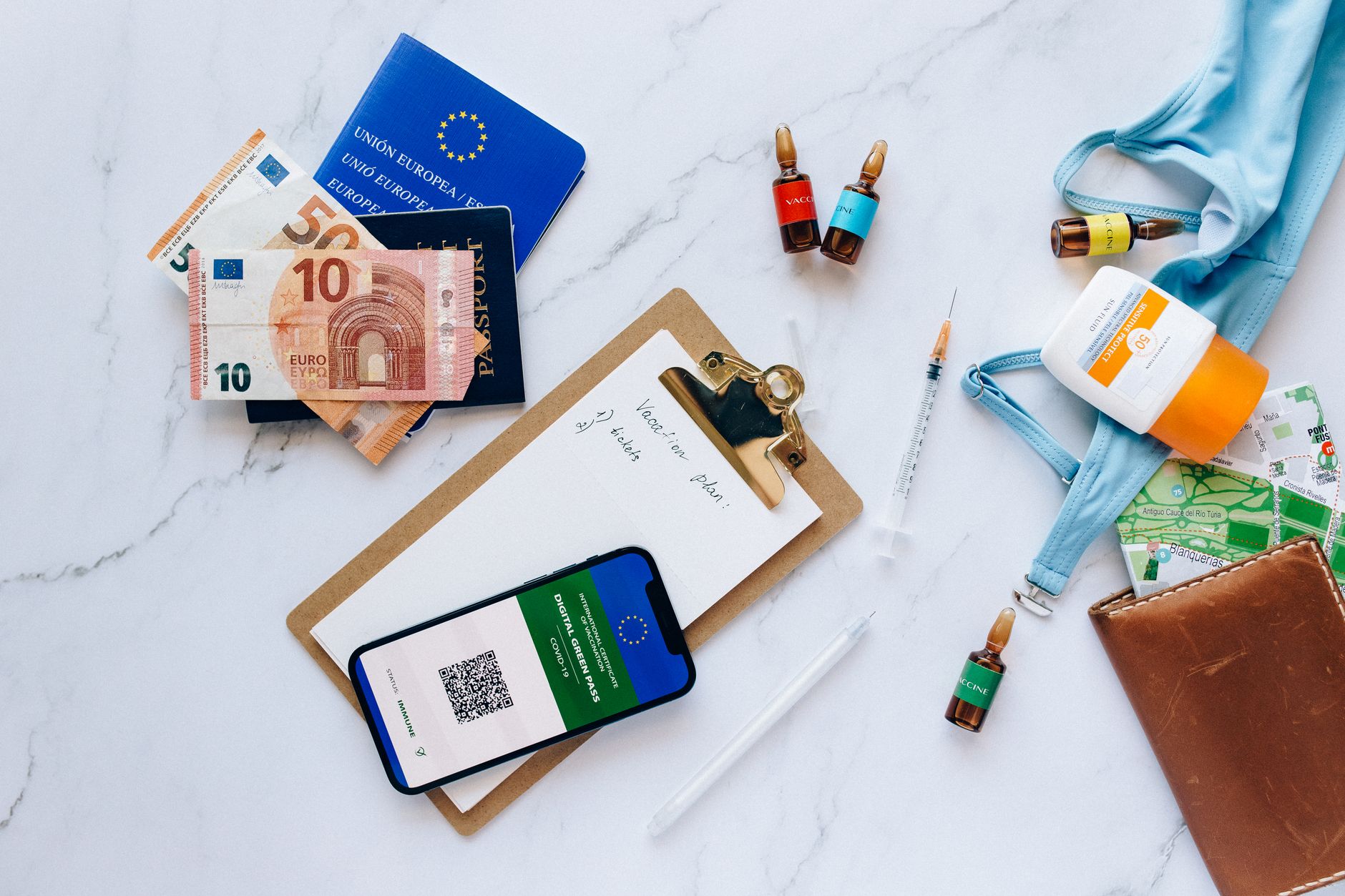
- Passport (with at least 3–6 months' validity after your return date for most international trips)
- National or state ID (for domestic travel or as backup)
- Visas, ETAs, or ESTA authorizations (as required by your destination)
- Proof of reservations (accommodation, campsites, park entries)
- Medical documentation (doctor's letters for devices/medications, vaccination records)
- Parental consent or guardianship letters (if traveling with minors)
- Written confirmation of accessibility accommodations (from hotels, parks, or transport providers)
- Medication import certificates if needed
Checking Entry and Park Requirements: Where to Look
- For international travel, consult the official immigration or consular website of your destination.
- For U.S. national parks, use the National Park Service's trip-planning hub for entry rules, hours, and fees ([National Park Service, Plan Your Visit — park trip-planning hub for hours, fees, and conditions.](https://www.nps.gov/planyourvisit/index.htm)).
- For reservations at federal recreation sites, including many campgrounds and timed entries, check [Recreation.gov — federal recreation reservations including many national park campgrounds and timed entries.](https://www.recreation.gov/)
- For health and vaccination requirements, use the CDC's Travelers' Health portal ([Centers for Disease Control and Prevention, Travelers' Health — destination health notices and preparation pages.](https://wwwnc.cdc.gov/travel))
Organizing and Backing Up Your Documents
- Scanning or photographing all key documents (passports, IDs, visas, reservations)
- Storing digital copies in a secure, encrypted cloud folder or password-protected app with offline access
- Keeping a paper photocopy in a separate bag from your originals
- Sharing emergency access only with a trusted contact
Packing for Security: What to Have Ready at Checkpoints
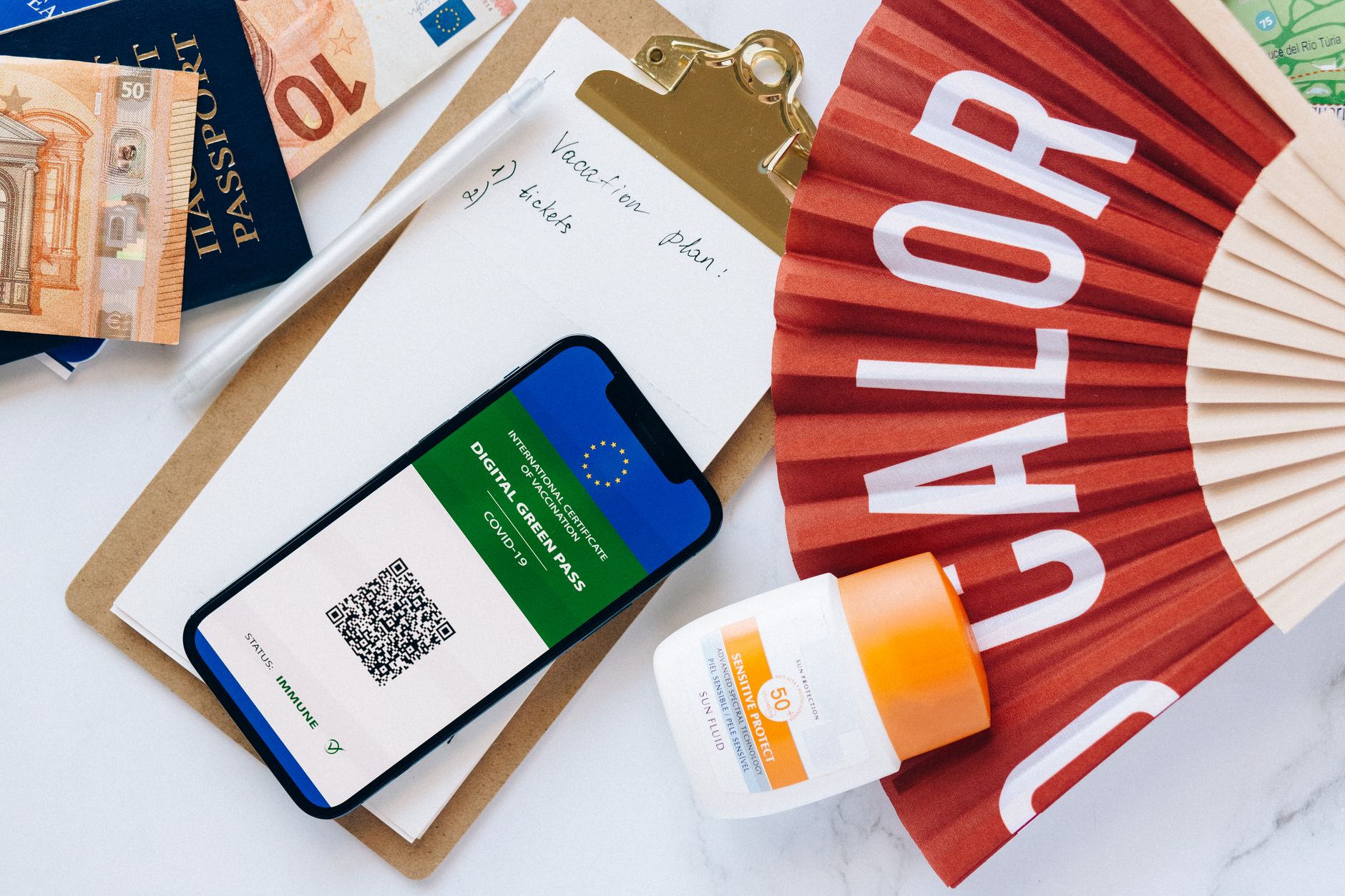
- Passport or ID
- Boarding passes and reservation confirmations (printed or digital)
- Entry authorizations (visas, e-visa printouts)
- Medical device or medication letters, if applicable
- Accommodation addresses and contacts
Walkthrough: Planning a U.S. National Park Road Trip
- Visit the National Park Service's "Plan Your Visit" page to find each park's hours, entry fees, and accessibility resources.
- Reserve campsites and timed entries on Recreation.gov. Print or save digital confirmations.
- Gather state IDs for all travelers (required for park entry and reservations).
- Print reservation confirmations and accessibility accommodation emails.
- Bring a doctor's letter for any necessary medical equipment (helpful if questioned at security checks).
- Scan IDs and reservations to a secure cloud folder with offline access.
- Make one paper copy of each essential document, stored separately from originals.
- Check the CDC Travelers' Health site for any regional advisories or vaccine recommendations.
- Pack necessary medications with original labels, along with doctor's letters as backup.
- Place all originals and one backup set in a dedicated travel pouch.
- Conduct a final check the day before departure to ensure everything is accounted for.
| Document | Where to Verify | Backup Needed? | Common Issues |
|---|---|---|---|
| State ID/Driver's License | State DMV or NPS park entry rules | Yes | Expired or forgotten at home |
| Reservation Confirmation | Recreation.gov | Yes | No cell signal for digital copy |
| Medical Device Letter | Doctor or CDC guidance | Yes | Letter not specific enough |
| Accessibility Accommodation | Hotel or park provider email | Yes | Provider doesn't have record |
Final Pre-Departure Checklist
- Originals and backups are present and valid
- Digital copies are accessible offline
- Park and entry requirements are rechecked for updates
- Emergency contact has access to your digital backups
- Travel pouch is packed and ready
References
National Park Service, Plan Your Visit — park trip-planning hub for hours, fees, and conditions. https://www.nps.gov/planyourvisit/index.htm
Recreation.gov — federal recreation reservations including many national park campgrounds and timed entries. https://www.recreation.gov/
Centers for Disease Control and Prevention, Travelers' Health — destination health notices and preparation pages. https://wwwnc.cdc.gov/travel
Leave No Trace Center for Outdoor Ethics, Seven Principles — outdoor ethics framework for casual and overnight trips. https://lnt.org/why/7-principles/
Article information

About the author
Noah BrooksTravel Planning & Gear Contributor
Noah Brooks writes WideWorldBlog's travel-planning and gear guides. He focuses on checklists, packing systems, and practical product categories travelers actually use.
More from Noah →This information is general and is not a substitute for professional advice for your specific situation.