Published on:
10 min read
Questions to Ask Before Booking an Accessible Hotel Room
Booking an accessible hotel room isn’t as simple as ticking a box online. For travelers with mobility, sensory, or other access needs, the right questions can make the difference between a smooth stay and a cascade of frustrating obstacles. This guide covers the practical questions behind accessible hotel rooms, shows you how to turn those principles into practical queries, and walks through a example of what to ask—so your next trip starts and ends on the right foot.

- •Why Accessible Hotel Room Questions Matter
- •Principles for Evaluating Accessible Lodging
- •Essential Accessible Hotel Room Questions
- •Digging Deeper: Customizing Your Questions
- •Booking Channels and Confirmation Strategies
- •Safety and Emergency Preparedness
- •Concrete Example: Booking an Accessible Room in a National Park Gateway Hotel
- •When to Call a Pro
- •Final Thought: Advocacy and Feedback
- •References
Why Accessible Hotel Room Questions Matter
Every traveler deserves a safe, comfortable place to rest—but for those with disabilities or mobility limitations, the definition of 'accessible' varies wildly from property to property. Even hotels that advertise accessible rooms may fall short of individual needs. A roll-in shower may be blocked by a fixed bench; a room may be on an upper floor with a broken elevator. The Americans with Disabilities Act (ADA) sets a baseline, but real-world experiences often highlight gaps between legal standards and practical usability. That’s why asking the right accessible hotel room questions before booking is essential for peace of mind and a successful trip.
Travelers with disabilities often encounter unexpected barriers that can disrupt an entire journey. Sometimes, a hotel’s website might list 'ADA accessible' rooms, but the details are vague or missing. For example, a room might technically have grab bars in the bathroom but lack enough space for a wheelchair to turn. Or the accessible entrance might be at the back of the building, far from parking or public transit. These small oversights can add up to significant inconvenience or even make a stay impossible.
The stakes are higher for travelers who rely on specific features. For example, a guest with a hearing impairment may require visual alarms to be alerted in an emergency, while someone with limited mobility may need a roll-in shower with a handheld showerhead and a bench that folds down. Given the wide range of disability needs, it’s important to move beyond generic assurances and instead focus on the details that matter most to you. This is why a thoughtful, informed approach to accessible hotel room questions isn’t just helpful—it’s essential.
Principles for Evaluating Accessible Lodging
Before diving into specific questions, anchor your approach with these guiding principles:
- Clarity Over Assumptions: Don’t assume that 'ADA accessible' means the room fits your needs; ask for details about specific features.
- Verify, Don’t Generalize: Accessibility can differ even within the same hotel. Ask about the exact room assigned to you.
- Plan for the Unexpected: Have a backup plan if your assigned room isn’t as promised. This is especially important in unfamiliar cities—see our guide at /posts/walkable-home-base-unfamiliar-city for tips on choosing a flexible base.
- Document Everything: Request confirmation of accessibility features in writing. This can be vital for resolving issues later.
Essential Accessible Hotel Room Questions
When contacting a hotel, use these targeted questions to uncover specifics:
1. What is the exact layout of the accessible room? Ask about doorway widths, bed heights, and space to maneuver a wheelchair or mobility device.
2. Is there a roll-in shower or an accessible tub? Clarify shower bench type, grab bar placement, and whether the shower has a lip or step.
3. How close is the accessible room to elevators or exits? Proximity can be crucial in emergencies; verify elevator reliability.
4. Are visual or audible alarms present? For travelers with sensory needs, ask about strobe alarms, vibrating pillows, or visual doorbells.
5. Is accessible parking available and nearby? Confirm the number of spots, location, and whether they’re reserved for guests.
6. Are service animals welcomed without extra fees? ADA regulations require this, but confirming avoids surprises.
7. What is the policy if the promised room is unavailable at check-in? Ask about their backup plan and compensation policy.
These accessible hotel room questions go beyond marketing language and help ensure your stay is both legal and livable. For example, asking about the shower bench type can reveal whether it’s fixed (potentially blocking transfers) or fold-down (often more flexible). Inquiring about alarm systems helps those with hearing or visual impairments ensure they’ll be alerted in an emergency.
If you rely on a mobility device, questions about parking and the path from parking to your room are critical. Hotels sometimes have accessible parking, but the route to the entrance may include steps or steep ramps. Confirming these details in advance can make the difference between a smooth arrival and a stressful ordeal.
Digging Deeper: Customizing Your Questions
Travelers’ needs differ. If you use medical equipment, ask about outlets and space for devices. For those with allergies, inquire about scent-free cleaning products or pet policies. If you need fridge space for medication, clarify fridge availability and size. The more specific your accessible hotel room questions, the more likely you are to get a room that truly works for you.
For example, if you use a CPAP machine or other medical device overnight, you’ll need to know if there are accessible power outlets near the bed. If you require a fridge for medication, ask whether it’s a full-size fridge or a mini-fridge, and whether it’s located inside the room or in a shared area.
Some travelers may need to know about lighting controls, curtain types, or whether the room has carpeting (which can make wheelchair movement more difficult). Others may want to confirm that service animals are welcomed in all public areas, not just the room. If you have chemical sensitivities, ask about cleaning products or request that the room not be sprayed with air fresheners prior to arrival.
Your questions can also extend to the hotel’s public spaces: Are the restaurant and common areas accessible? Is there an accessible path to the pool or fitness center? The more you tailor your questions to your specific needs, the more likely you are to avoid last-minute surprises.
Booking Channels and Confirmation Strategies
Many booking engines let you filter for 'accessible rooms,' but these filters are blunt tools. Whenever possible, call the hotel directly and ask to speak with the front desk or a manager—not just reservations. Email is valuable for a written record. Ask for a confirmation email specifying the room’s accessibility features, and keep this handy for check-in. For cross-border trips, review travel document basics at /posts/travel-documents-entry-basics-checklist to ensure all paperwork is in order.
Direct communication is especially important because third-party booking platforms often lack detail and may not guarantee the specific room you need. When you speak directly with hotel staff, you can clarify details and request written confirmation. If you’re traveling internationally, check entry requirements and documentation at https://www.cbp.gov/travel to avoid any surprises at the border.
When booking, note the name of the staff member you spoke with and save all correspondence. If possible, ask for photos of the actual room you’ll be assigned. Many hotels are willing to provide these if asked. This extra step can reveal details that aren’t listed online, such as the presence of a step at the entrance or the configuration of bathroom grab bars.
Safety and Emergency Preparedness
Accessible rooms should have clear evacuation plans. Ask:
- How will staff assist if the elevator is out during an emergency?
- Are there visual or tactile emergency alarms?
- Is there a direct line to the front desk or emergency services?
Concrete Example: Booking an Accessible Room in a National Park Gateway Hotel
Suppose you’re planning to visit a national park and want to book a nearby hotel. You call the property and ask:
- Is the accessible room on the ground floor, and is there step-free access from the parking lot?
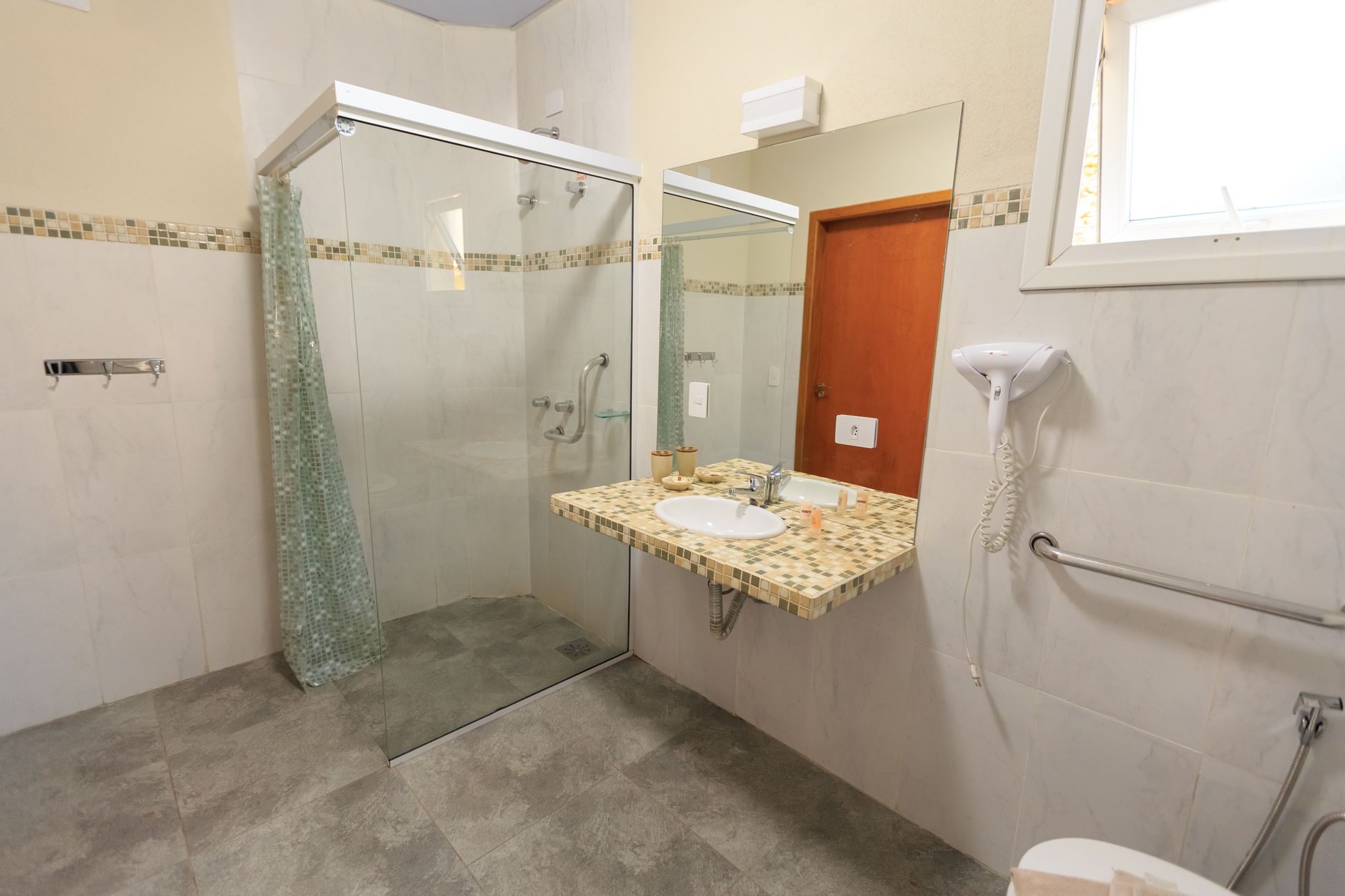
- Does the bathroom have a roll-in shower with a handheld showerhead and fold-down bench?
- Are there grab bars by the toilet and in the shower?
- Can you provide photos of the exact room and bathroom assigned?
- Is there a visual fire alarm in the room?
When to Call a Pro
If you have complex medical needs or require specialized equipment (like a hospital bed or Hoyer lift), consider working with a travel agent who specializes in accessible travel. They can liaise directly with hotels and verify features in advance. In some cases, local disability advocacy groups or ADA consultants can provide additional assurance.
Travel agents experienced in accessible travel are familiar with the nuances of hotel accessibility and can often negotiate directly with management to secure the features you need. They may also have relationships with equipment rental companies or know where to find accessible transportation.
If you’re unsure about a property’s ability to meet your needs, advocacy organizations or ADA consultants can sometimes conduct site visits or provide checklists. This extra layer of verification is especially helpful for longer stays, group trips, or international travel where standards may differ.
Final Thought: Advocacy and Feedback
If your experience falls short of what was promised, document the issues and share feedback with hotel management. Providing constructive suggestions can help improve accessibility for future guests. Consider submitting feedback to ADA.gov if you encounter systemic barriers (https://www.ada.gov/). Advocacy is an ongoing process—and each traveler’s questions make a difference.
Your feedback can drive change. Hotels that receive detailed, constructive comments from guests with disabilities are more likely to improve their facilities and staff training. If you encounter barriers that violate ADA requirements, you can file a complaint with the Department of Justice through ADA.gov.
Sharing your experience—whether positive or negative—also helps other travelers make informed choices. Online reviews, direct feedback to hotel management, and participation in advocacy efforts all contribute to a more accessible travel landscape. Remember: every question you ask, and every bit of feedback you provide, helps pave the way for a more inclusive hospitality industry.
References
ADA.gov — Americans with Disabilities Act information useful when asking about accessible lodging. https://www.ada.gov/
Ready.gov — household and travel preparedness resources. https://www.ready.gov/
National Park Service, Accessibility — visitor access resources. https://www.nps.gov/subjects/accessibility/index.htm
Article information
Published

About the author
Noah BrooksTravel Planning & Gear Contributor
Noah Brooks writes WideWorldBlog's travel-planning and gear guides. He focuses on checklists, packing systems, and practical product categories travelers actually use.
More from Noah →This information is general and is not a substitute for professional advice for your specific situation.