Building a Practical Roadside Emergency Kit Without Overpacking
Packing a roadside emergency kit for travel is a balancing act between preparedness and practicality. Overloading your vehicle with gear you’ll never use can be as problematic as being caught unprepared. This guide helps travelers decide when to pack critical items—and when to rely on professional help or local resources—so you stay safe, mobile, and comfortable without weighing down your journey. Learn which essentials matter most, how to adapt your kit for different trips, and when it’s best to call for assistance instead of relying on your own tools.
Every road tripper faces the same question: how much emergency gear is enough, and when does it become too much? A roadside emergency kit for travel should cover the likely scenarios you’ll face—flat tires, minor breakdowns, sudden weather—but not turn your trunk into a mobile supply warehouse. Overpacking can obscure the tools you actually need, slow down your response, and waste valuable cargo space. The key is to build a kit that is practical, accessible, and tailored to your route and vehicle, not just a generic checklist.
The urge to prepare for every possible scenario is understandable, especially when you see extensive lists online. But the reality is, most roadside emergencies are solved with a handful of well-chosen items. Lugging around a heavy box of tools or rarely-used gadgets can make it harder to find what you need in a real emergency. Worse, it can tempt you to attempt repairs that really require professional help, putting your safety at risk. Instead, focus on versatility and ease of access. A streamlined kit is easier to manage, less likely to be forgotten, and more likely to be used correctly under stress.
Start With the Essentials: Non-Negotiable Items
Certain items belong in every roadside emergency kit, no matter your destination or vehicle size. These are the tools and supplies that address the most common roadside issues and basic human needs:
Tire repair: spare tire (properly inflated), jack, lug wrench, and tire sealant or inflator
Visibility and signaling: reflective triangles, high-visibility vest, and a working flashlight (with extra batteries)
First aid: a compact, comprehensive first aid kit
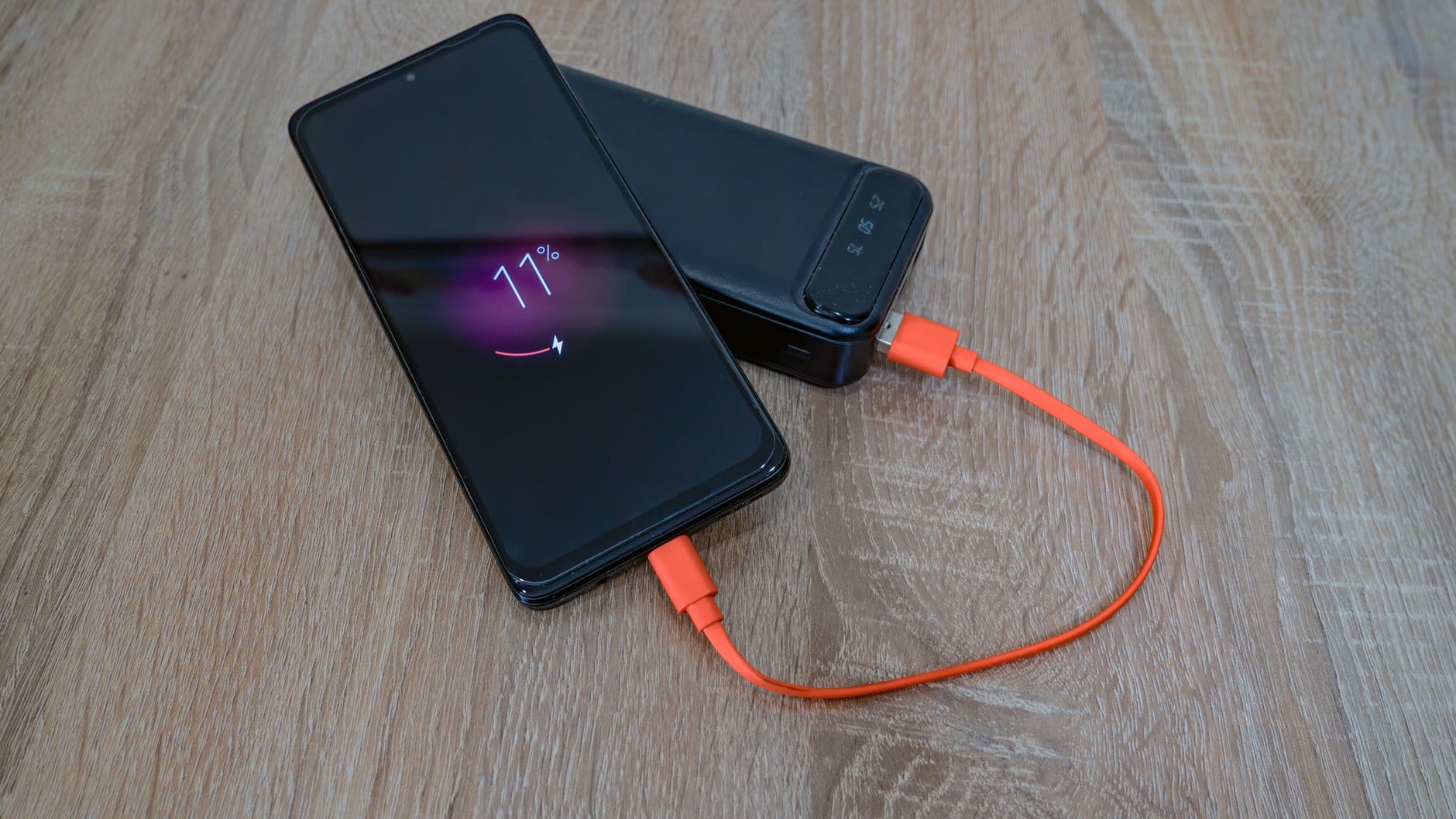
Communications: phone charger and backup power bank
Water and snacks: a few bottles of water and shelf-stable food
These basics address immediate safety, minor injuries, and short-term breakdowns. They’re your first line of defense and should always be accessible, not buried under less critical gear.
Even for short trips, these essentials can make the difference between a minor inconvenience and a serious ordeal. For example, a flat tire in the rain on a busy highway is far less stressful if your reflective triangles and vest are easy to reach. Likewise, a dead phone battery is less worrisome if you have a charged power bank. These are the items you’ll use most often, and they’re small enough to fit in any vehicle.
When to Add (or Skip) Specialty Gear
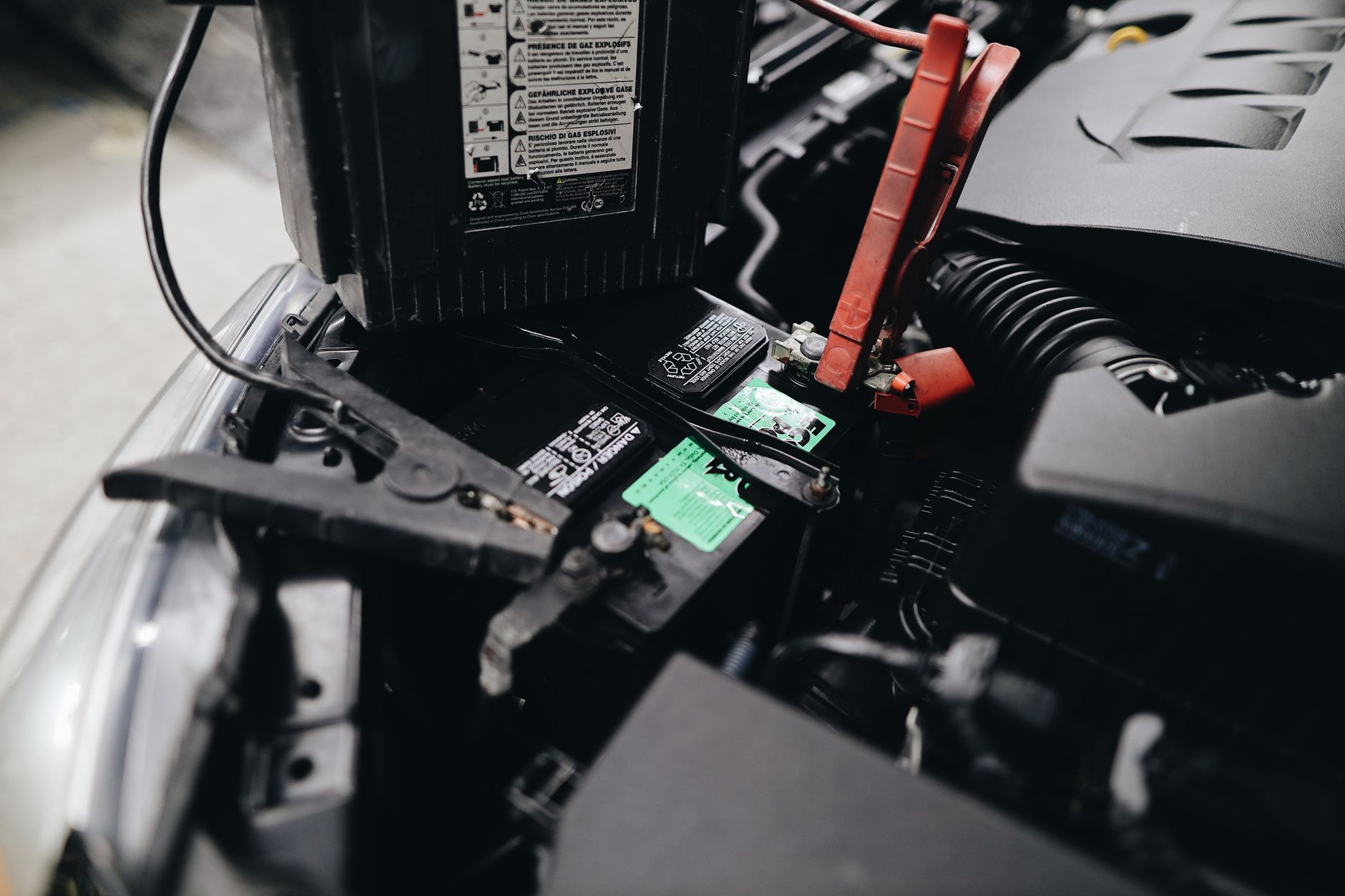
Not every trip requires jumper cables, traction mats, or a portable jump starter. The decision comes down to your route, vehicle age, and weather forecast. If you’re driving through remote areas or in winter conditions, items like a shovel, blanket, or traction aids make sense. For well-traveled highways in mild weather, you can often rely on roadside assistance or passing motorists.
Before loading up, check your planned route using resources like America’s Byways for route conditions and remoteness. Assess your vehicle’s reliability—an older car may warrant a more robust kit. And always check the weather at Weather.gov before departure to anticipate specific hazards like storms or extreme temperatures.
When in doubt, prioritize gear that addresses the most probable risks for your journey. Leave out the tools you don’t know how to use or would never attempt roadside (e.g., advanced mechanical tools, large jacks, or bulky recovery equipment).
For example, if your vehicle’s battery is new and you’re traveling in a caravan, you might skip the jump starter and rely on group support. But if you’re solo in a remote area, that jump starter could be a lifeline. Similarly, traction mats are invaluable in snowy or muddy conditions but unnecessary for urban commutes. Let your route and weather guide your choices, not a generic list.
Know When To Call for Professional Help
DIY fixes have their limits, especially when safety is at stake. If you’re unsure about changing a tire, jump-starting a battery, or repairing a mechanical fault, it’s safer to call a professional. Attempting complex repairs without the right skills can lead to injury or further vehicle damage.
Use your emergency kit to stabilize the situation—make yourself visible, stay warm or cool, and communicate your location. Then, call roadside assistance or emergency services. This is particularly important for travelers with mobility challenges or medical conditions, as well as anyone driving alone in unfamiliar territory.
For longer trips, review your roadside assistance coverage before you leave. Many insurance policies or credit cards offer this service, and knowing the details can save time and stress. If you’re in a low-signal area, consider sending your location to a trusted contact before you lose service. When in doubt, err on the side of caution: your safety is more important than saving time or money on a repair.
For extended journeys, check out travel preparedness guides and consider what situations would truly require outside help. If you’re facing severe weather, mechanical failure you can’t diagnose, or any situation where you feel unsafe, don’t hesitate to call for assistance.
Adjusting for Accessibility Needs
Accessible travel means tailoring your emergency kit to your own requirements. If you use mobility aids, include spare parts or repair tools for your device. Pack extra medication, a list of medical contacts, and any assistive technology chargers. Make sure all items are within easy reach—avoid stowing critical items beneath heavy gear.
If you’re traveling with others, discuss everyone’s needs ahead of time. Being prepared isn’t just about tools; it’s about ensuring everyone can manage in case of a breakdown or delay.
For example, if you or a passenger have allergies, include antihistamines or an epinephrine auto-injector. If someone has dietary restrictions, pack suitable snacks. For drivers with hearing or vision impairments, consider alternative signaling devices or written instructions. The best kit is one that supports everyone in your vehicle, not just the driver.
Weather and Regional Hazards: When to Repack
Weather is a major factor in roadside emergencies. Before any trip, check the forecast at Weather.gov. For routes prone to sudden storms, flooding, or extreme temperatures, add weather-specific items: a rain poncho, space blanket, or ice scraper. In desert regions, increase your water supply. In winter, pack extra layers and traction aids.
If your route takes you along scenic byways or remote roads, as mapped by the Federal Highway Administration, consider adding more robust supplies, like a whistle or signaling mirror for low-traffic areas. Always adapt your kit to the realities of your route, not just the season.
For example, in mountainous areas, weather can change rapidly. A sunny morning can give way to fog or snow by afternoon. Packing a compact weather radio or downloading emergency alert apps can keep you informed. If you’re driving through wildfire-prone regions, include an N95 mask and know alternate escape routes. The more you know about your route’s hazards, the better you can decide what to add—or leave behind.
Emergencies are more likely when drivers are tired or distracted. Keep your kit organized so you can find what you need quickly, and store snacks and water where you can reach them during breaks. Plan regular stops to rest and check your vehicle.
According to the NHTSA, drowsy or distracted driving is a major factor in roadside incidents. Don’t wait until you’re desperate to search for supplies. If you feel tired, pull over and rest; don’t try to push through. Use your kit as a prompt to take breaks—grab a snack, hydrate, and stretch. If you’re traveling with others, rotate driving duties and check on each other’s alertness.
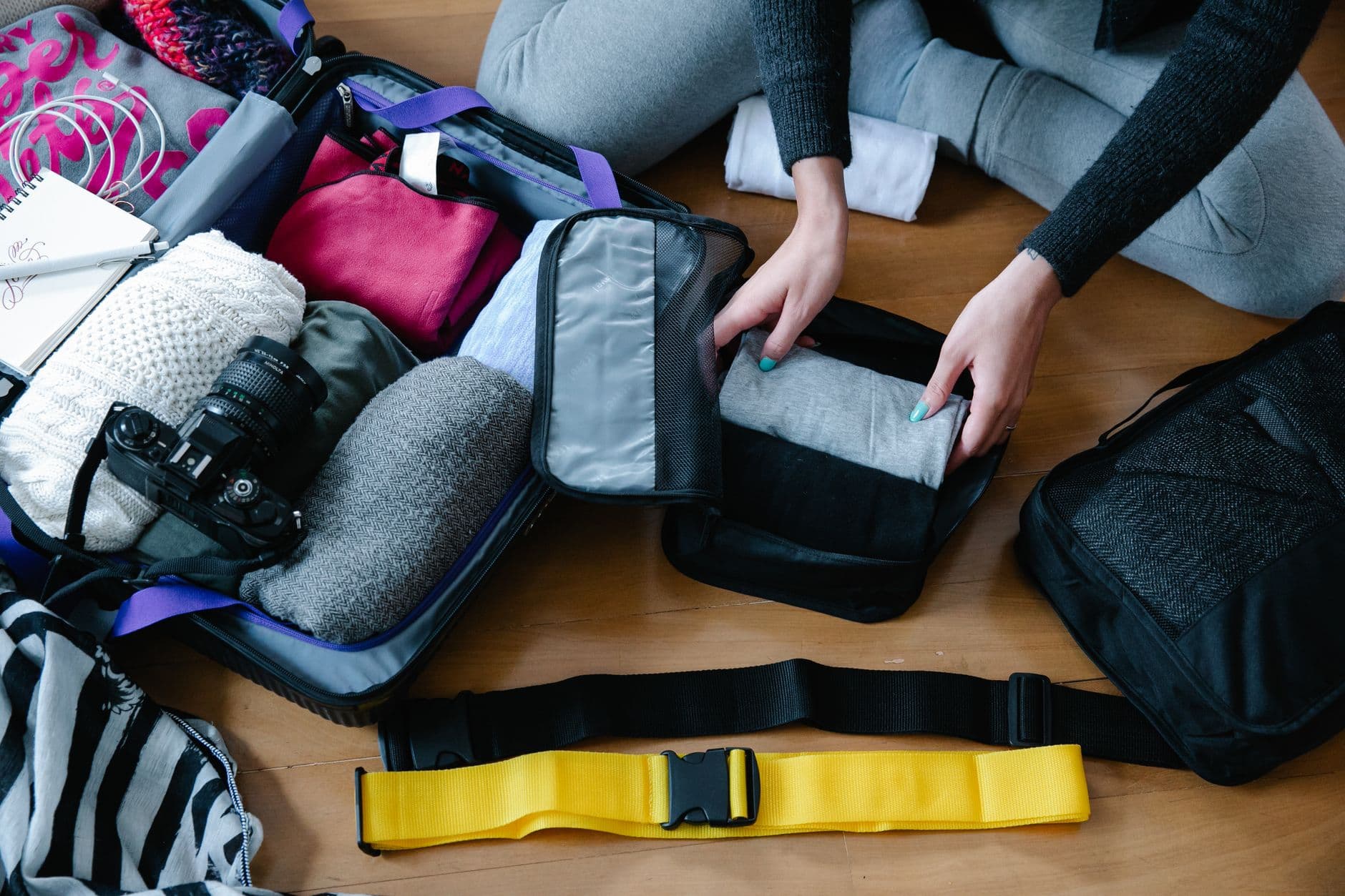
Never dig through your kit while driving. If you need something, pull over safely and focus on the task. The best emergency kit is one you can use calmly and efficiently. If you find your kit is a jumble of loose items, take time before your trip to organize it. A clear, labeled pouch or soft-sided bag makes it easier to spot what you need, reducing stress in the moment.
Packing Smart, Not Heavy
A practical roadside emergency kit for travel is about thoughtful selection, not sheer volume. Regularly review and refresh your kit—discard expired items and replace used supplies. Use soft-sided organizers or clear pouches so you can see contents at a glance. Store the kit in an accessible location, not buried under luggage.
Remember: your kit is only as useful as your knowledge of what’s inside and how to use it. Take a few minutes before each trip to remind yourself—and your passengers—where everything is and how it works.
If you find you’re consistently carrying items you never use, reconsider their place in your kit. Conversely, if you’ve ever needed something you didn’t have, add it for next time. The goal isn’t to be ready for every possible disaster, but to be prepared for the most likely and manageable situations you’ll encounter on your route. This approach keeps your kit light, your mind clear, and your journey safer.
Making the Decision: Act or Wait?
When you’re faced with a roadside emergency, the first decision is whether to act with your kit or wait for help. Start by assessing the situation: Is it safe to exit the vehicle? Are you visible to other drivers? If you’re on a busy highway or in poor weather, prioritize your safety and the safety of your passengers. Use visibility gear immediately and move to a safe location if possible.
If the problem is minor and you have the skills and tools, such as changing a flat tire in a safe spot, go ahead. For anything involving traffic hazards, severe weather, or mechanical issues you’re not confident handling, use your kit to stabilize the situation and call for help. Your emergency kit is there to buy you time and comfort while you wait, not to turn you into a roadside mechanic unless you’re truly prepared for the task.
The decision to act or wait isn’t always clear-cut. If you’re unsure, err on the side of caution. Trust your instincts, use your kit to stay safe and comfortable, and don’t hesitate to seek professional assistance. The best outcome is arriving safely at your destination, not proving you can fix every problem yourself.
References
Ready.gov — household and travel preparedness resources. See https://www.ready.gov/ for detailed emergency kit guidance.
NOAA National Weather Service, Weather.gov — forecasts, alerts, and hazards. Access current conditions and warnings at https://www.weather.gov/.
Federal Highway Administration, America's Byways — scenic route discovery. Explore route details at https://www.fhwa.dot.gov/byways/.
Packing cubes promise order but often frustrate travelers with bulging bags, lost items, or inaccessible essentials. This troubleshooting guide breaks down where packing cube organization fails, how to spot the warning signs, and what practical steps actually restore order—especially for accessible road and air travel.
Choosing a daypack for travel or day hikes means weighing comfort, access, and safety against the realities of your trip. This guide helps you decide which features matter for your plans—and when a different pack is the better call.
Rain gear is a packing wildcard: a shell, poncho, or umbrella each has trade-offs for protection, portability, and hands-free use. Here is how to pick the right option for your destination, activities, and bag space.
Power banks and spare batteries keep devices running on the road, but air travel and outdoor regulations set strict limits on what you can pack. Here are the practical rules for choosing, packing, and using portable power safely—on planes and in national parks.