Daypack Features Guide: Deciding What Matters for Your Travel or Hike
Choosing a daypack for travel or day hikes means weighing comfort, access, and safety against the realities of your trip. This guide helps you decide which features matter for your plans—and when a different pack is the better call.
Travelers and hikers often find themselves overwhelmed by daypack options—so many pockets, straps, and materials, yet it's not always clear which features will actually help on the road or trail. The real challenge: picking a pack that supports your plans without overcomplicating things or risking discomfort. You'll see when it's worth tweaking your setup and when a standard pack is the better call.
Pinpoint Your Main Use: Are You Urban, Trail, or Both?
Before comparing features, clarify where you'll use your daypack most. Urban sightseeing, mixed city-to-trail travel, and dedicated hikes each demand different priorities. For city trips, easy access and a slim profile matter most. Hikers need stable load-carrying and hydration support. If your plans mix both, lean toward features needed for your longest or most strenuous days. Defining your main scenario helps you ignore the noise and focus only on what matters.
Capacity Choices: How Much Space Is Too Much?
Many travelers overestimate what they'll carry, ending up with a bulky pack that's half-empty—or, worse, so small it forces awkward improvisation. For short city days, look for 10–15 liters. For hikes or days with extra layers or snacks, 16–25 liters is the sweet spot. Test your kit at home: lay out your essentials and see how they fit, leaving a bit of room for last-minute additions. Overpacking leads to fatigue, while undersized packs create frustration. If you find yourself needing to lash gear outside the pack, it's time to reconsider your size choice.
Fit and Comfort: When Adjustments Are Enough—and When to Stop
A pack that looks great on the shelf can cause real pain if it doesn't fit your body. Adjustable shoulder straps, a sternum strap, and a hip belt (even a minimal one) are key for all-day comfort, especially if you'll carry more than 10% of your body weight. Try the pack loaded with your typical gear and adjust until the weight feels balanced. If you can't get the pack to sit close to your back or the straps dig in despite adjustment, don't force it—look for another model. For outdoor trips where weather changes fast, make sure your pack can accommodate layering systems for warmth and moisture control. (See REI Co-op Expert Advice for layering tips: https://www.rei.com/learn/expert-advice/layering-basics.html)
Organization: Striking a Balance Between Simple and Overbuilt
Extra pockets and dividers can be handy, but too many create confusion, especially when you need to grab something fast. Main compartments that open wide, a couple of secure exterior pockets, and a sleeve for a tablet or hydration bladder cover most needs. If you find yourself losing items or digging endlessly, try using small pouches to group items inside the main compartment. For city travel, prioritize hidden pockets for valuables. If you're constantly frustrated by the pocket layout, it may be a sign to switch packs rather than attempt DIY modifications.
Hydration and Weather: When to Upgrade or Improvise
For hikes or hot climates, hydration is non-negotiable. Packs with deep bottle pockets or a dedicated bladder sleeve make it easy to stay hydrated on the move. If your chosen pack doesn't have these, you can sometimes add a universal sleeve or use an internal pouch, but make sure the setup doesn't compromise comfort or leak. As for weather, water-resistant fabrics and rain covers are smart, but few daypacks are truly waterproof. If you'll be out in heavy rain or need to protect electronics, use dry bags inside your pack. If you can't keep your gear dry or accessible with simple tweaks, it's time to upgrade rather than improvise further.
Travel Security and Airport Rules: Features That Save Hassle
Zippers that lock, hidden compartments, and tamper-resistant closures add peace of mind for urban travel or busy transit hubs. But don't go overboard—too many security features can slow you down. For air travel, make sure your pack fits carry-on size rules and avoid features that violate airport security policies. Remember, liquid containers must follow the 3-1-1 rule for carry-ons (Transportation Security Administration, Liquids Rule — https://www.tsa.gov/travel/security-screening/liquids-rule). For a full list of what you can bring, check the TSA's official guidance (Transportation Security Administration, What Can I Bring? — https://www.tsa.gov/travel/security-screening/whatcanibring/all). If your pack's design makes it impossible to comply, don't try to DIY a fix—choose a different model.
Durability and Maintenance: When DIY Is Fine—and When to Quit
Most minor scuffs or loose threads can be handled at home with a needle and thread or a patch kit. However, if you spot fraying straps, a broken zipper, or a torn load-bearing seam, stop using the pack until it's professionally repaired. These failures can lead to gear loss or injury on the trail. Regularly check high-wear areas like the base and strap attachments. If cleaning and basic repairs don't restore function, it's time for a replacement.
Health and Safety: Know When to Seek Expert Advice
If you have back or shoulder issues, or if your travel involves remote or challenging environments, it's worth consulting a health professional about pack fit and load. For destinations with health risks or special requirements—like vaccines, water purification, or emergency gear—refer to official health sources before your trip (see Centers for Disease Control and Prevention, Travelers' Health — https://wwwnc.cdc.gov/travel). Don't attempt makeshift solutions for medical or safety gear; use only reliable, recommended equipment.
Testing Your Setup: Field Checks Before the Real Trip
Before you commit to a pack for a big outing, take it for a loaded walk or short hike. Notice any discomfort, shifting weight, or hard-to-reach pockets. Adjust as needed, but if you can't resolve the issues, don't force it—find a better-fitting pack. For outdoor adventures, ensure you can pack enough water, layers, and essentials for changing weather or emergencies. For national park trips, check park-specific rules and recommendations beforehand (National Park Service, Plan Your Visit — https://www.nps.gov/planyourvisit/index.htm).
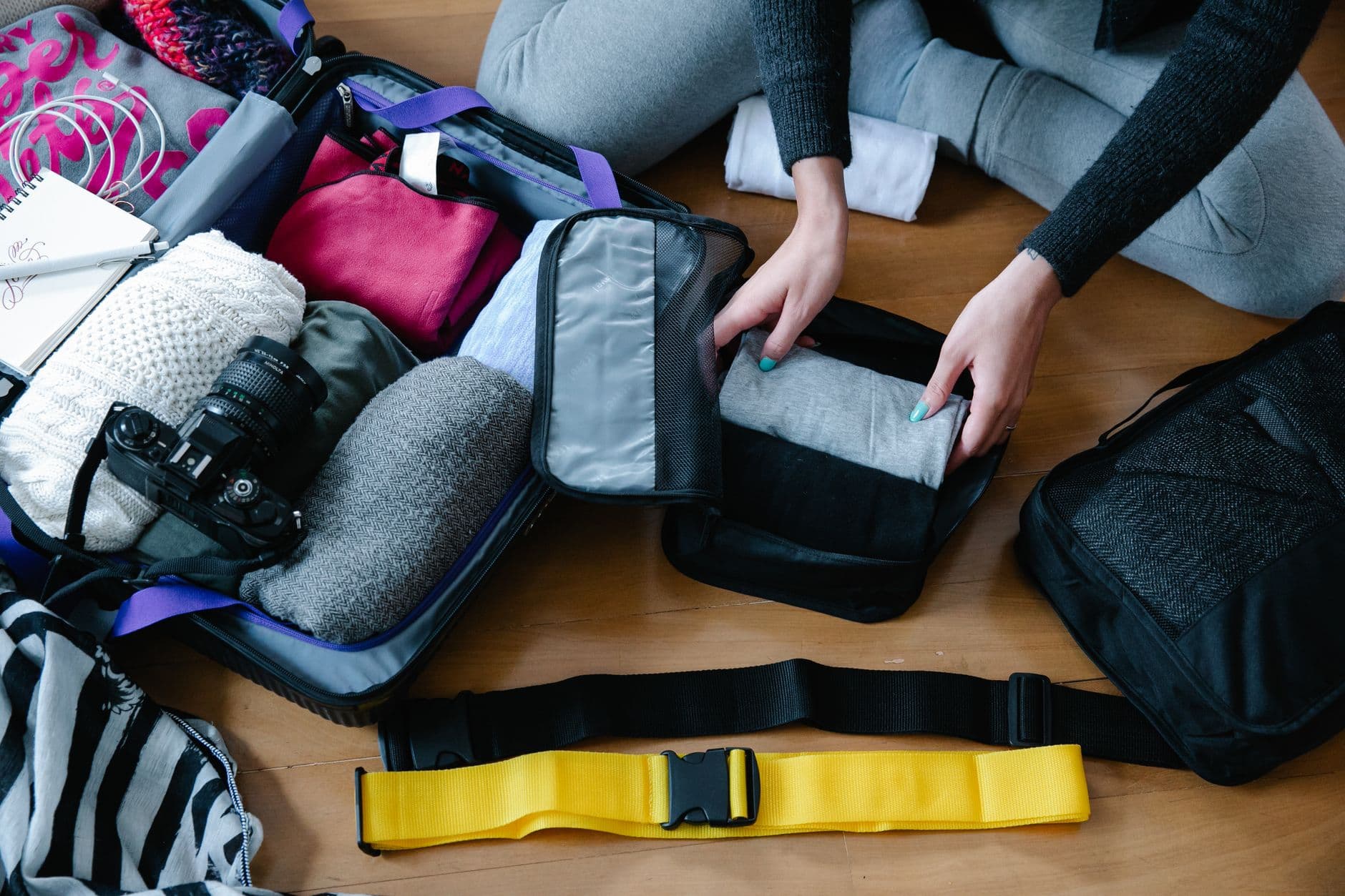
Packing cubes promise order but often frustrate travelers with bulging bags, lost items, or inaccessible essentials. This troubleshooting guide breaks down where packing cube organization fails, how to spot the warning signs, and what practical steps actually restore order—especially for accessible road and air travel.
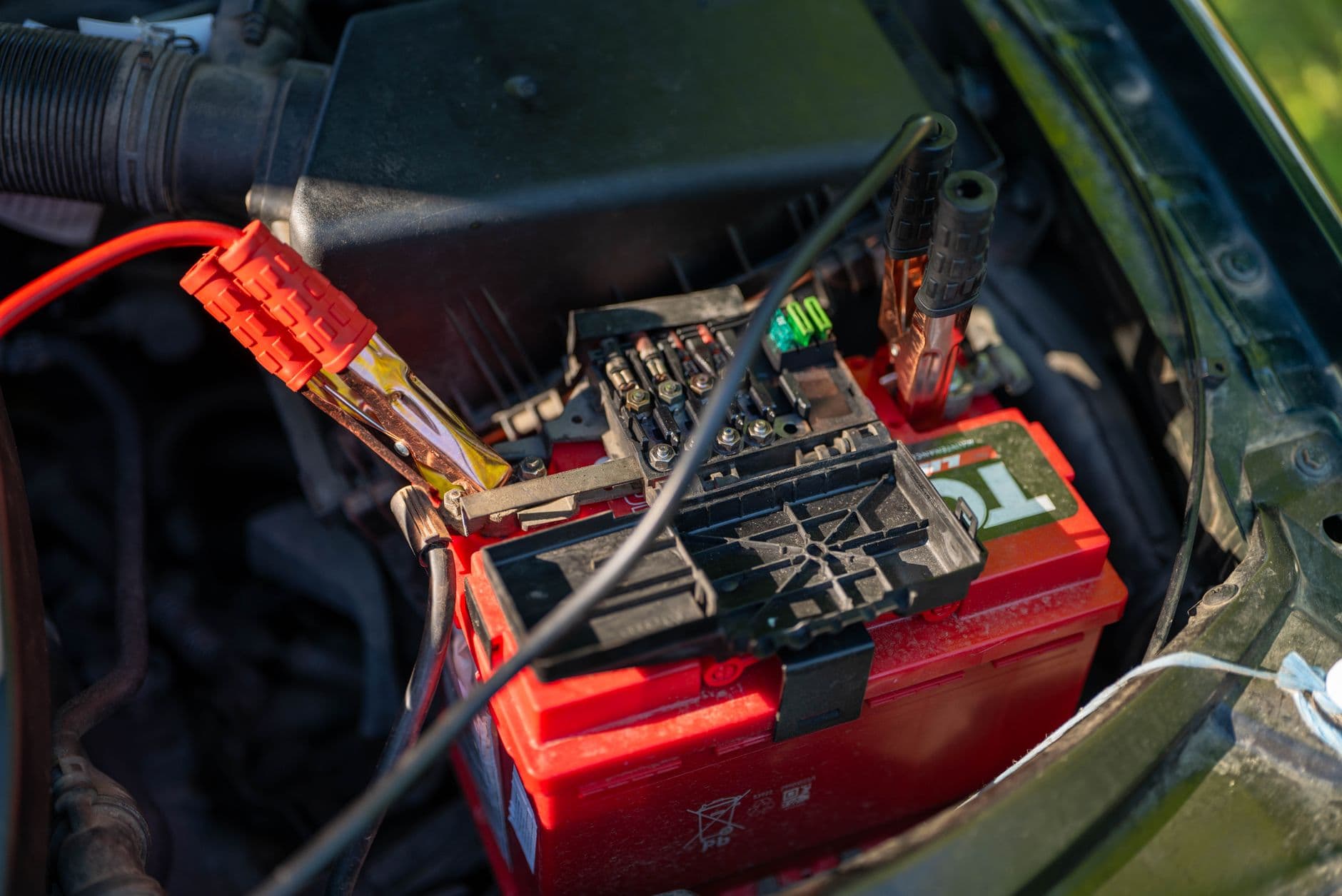
Packing a roadside emergency kit for travel is a balancing act between preparedness and practicality. Overloading your vehicle with gear you’ll never use can be as problematic as being caught unprepared. This guide helps travelers decide when to pack critical items—and when to rely on professional help or local resources—so you stay safe, mobile, and comfortable without weighing down your journey. Learn which essentials matter most, how to adapt your kit for different trips, and when it’s best to call for assistance instead of relying on your own tools.
Rain gear is a packing wildcard: a shell, poncho, or umbrella each has trade-offs for protection, portability, and hands-free use. Here is how to pick the right option for your destination, activities, and bag space.
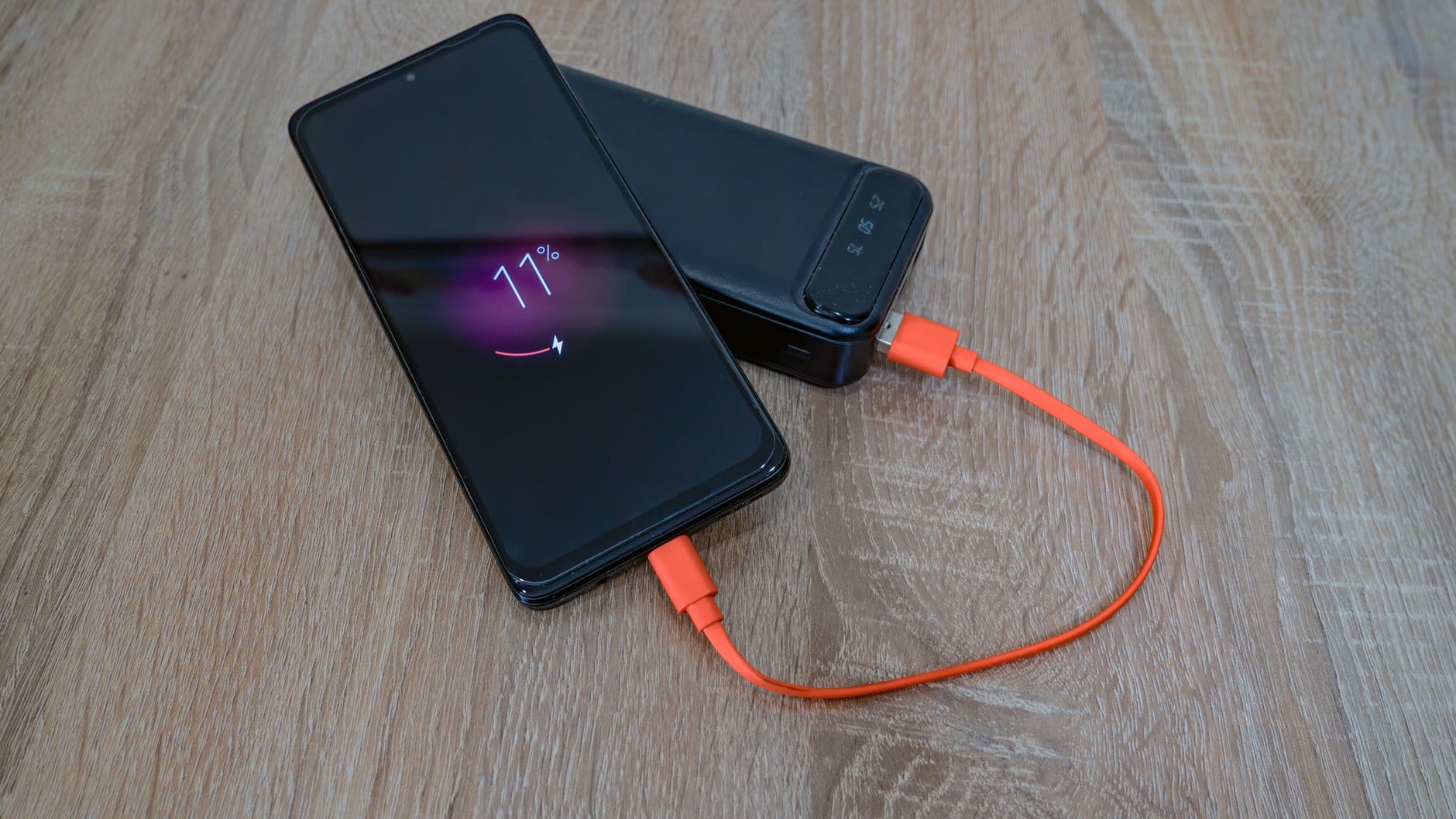
Power banks and spare batteries keep devices running on the road, but air travel and outdoor regulations set strict limits on what you can pack. Here are the practical rules for choosing, packing, and using portable power safely—on planes and in national parks.