Published on:
5 min read
Rain Shell, Poncho, or Umbrella: Choosing for the Trip
Rain gear is a packing wildcard: a shell, poncho, or umbrella each has trade-offs for protection, portability, and hands-free use. Here is how to pick the right option for your destination, activities, and bag space.

- •Packing for Rain Without Regret
- •What to Weigh When Choosing Rain Gear
- •Rain Shells: Technical Protection for Active Travelers
- •Ponchos: Versatility and Coverage in One Package
- •Umbrellas: Instant Shelter, But With Caveats
- •Safety and Weather: Context Matters
- •Blue Ridge Parkway Road Trip: Which Gear Fits?
- •Packing Tips for Road and Accessible Travel
- •Match Gear to Your Itinerary, Not Just the Forecast
- •References
Packing for Rain Without Regret
You've mapped your route and checked the forecast, but rain remains a stubborn wildcard. For a scenic byway drive or a city walking tour, the right rain gear can mean the difference between a memorable adventure and a soggy ordeal. The challenge is balancing preparedness with luggage limits and shifting weather. Should you pack a technical rain shell, a versatile poncho, or a compact umbrella? Each has its champions—and trade-offs. The best travel rain gear choice depends on your destination, activities, and personal comfort priorities.
What to Weigh When Choosing Rain Gear
Before comparing specific products, clarify what matters most for your trip:
- Protection: Does it shield you from both rain and wind? How well does it keep you dry in sustained downpours or sudden showers?
- Portability: Will it fit in your daypack, or does it hog precious space? Lightweight, compressible gear is gold for travelers.
- Versatility: Does it work in multiple settings—urban, rural, trail, or vehicle? Can you use it for warmth or as an emergency layer?
- Ease of use: How quickly can you deploy it when the skies open? Is it intuitive, or does it require fiddling?
- Safety: Does the gear keep your hands free for navigation, driving, or managing luggage? Is there any risk of distraction or impaired visibility?
Rain Shells: Technical Protection for Active Travelers
A rain shell—essentially a waterproof jacket—offers robust protection against rain and wind. Modern shells are designed to be lightweight, breathable, and packable. They're ideal for travelers who expect to be active outdoors: hiking, cycling, or walking long distances. A quality shell keeps your upper body dry and, with underarm zips or breathable fabrics, can prevent overheating during exertion.
However, rain shells do have drawbacks. They can be pricier and take up more space than a simple poncho. For full-body coverage, you'll need rain pants or gaiters—adding to your packing list. Still, for travelers who value comfort and performance in variable weather, a shell is often the most reliable choice.
Ponchos: Versatility and Coverage in One Package
Ponchos are a favorite among minimalist travelers. They're typically made from thin, waterproof material and drape over the entire body, covering your backpack as well. Their one-size-fits-most design makes them quick to throw on, and they pack down smaller than most rain shells.
Ponchos excel in sudden, heavy rain—especially when you're carrying gear that needs protection. They're less restrictive than jackets, making them useful for road trips, festivals, or sightseeing stops where you might move between inside and outside frequently. The downside? In windy conditions, ponchos can be unwieldy, and they offer less warmth than a fitted shell. They're also not ideal for activities like cycling or scrambling on trails.
Umbrellas: Instant Shelter, But With Caveats
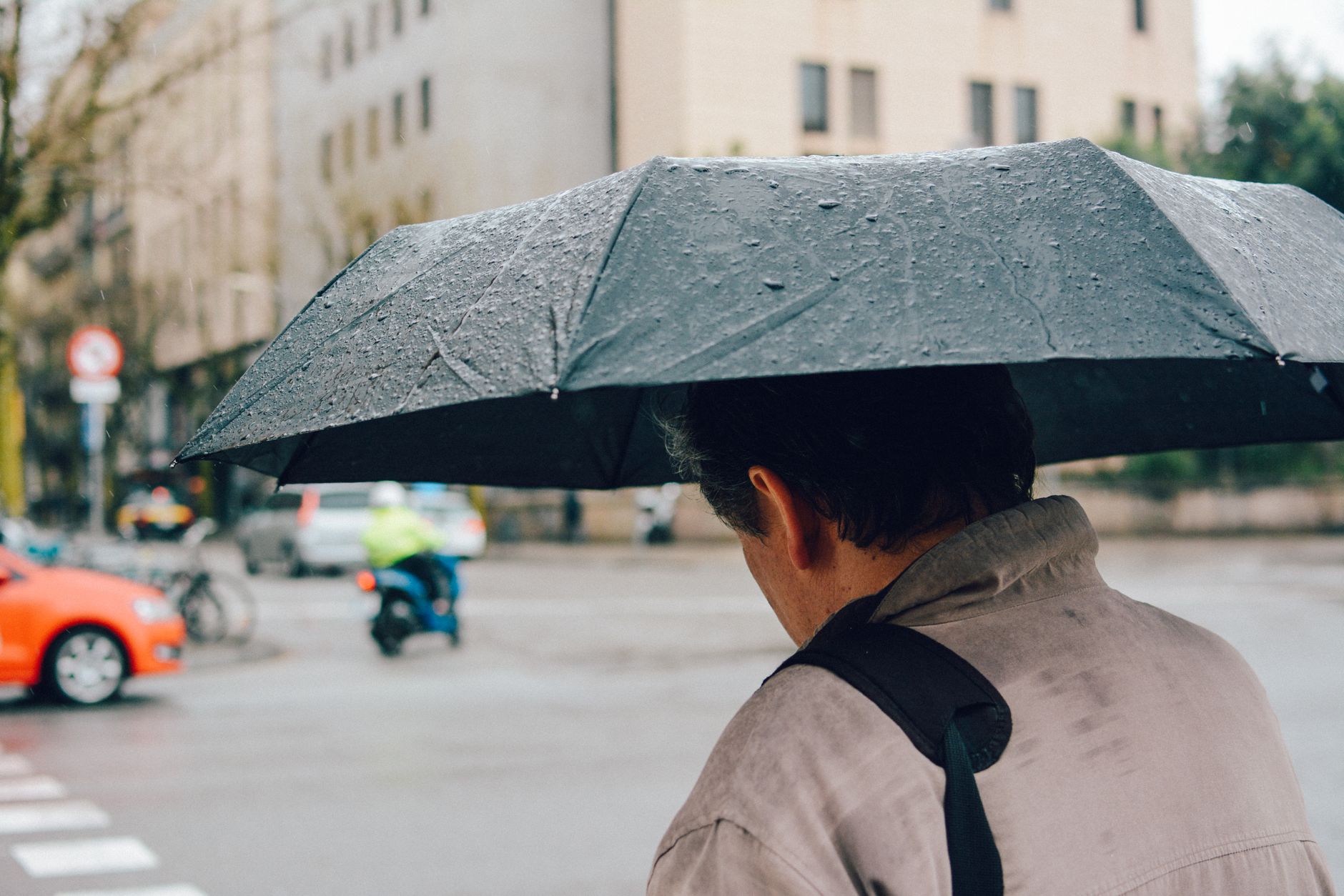
The travel umbrella is the definition of convenience: compact, lightweight, and quick to deploy. For city travel, an umbrella lets you stroll hands-free (if you have a shoulder bag) and keeps your head and upper body dry without the stuffiness of a jacket.
However, umbrellas are not without their issues. They require a free hand, which can be a distraction if you're navigating busy streets, managing luggage, or driving. In high winds, they're prone to flipping or breaking. On hiking trails or in crowded settings, they can be cumbersome or even unsafe. For more on the risks of distraction while traveling or driving, see /posts/daypack-features-travelers-guide and NHTSA's guidance at https://www.nhtsa.gov/risky-driving/distracted-driving.
Safety and Weather: Context Matters
Your itinerary and local weather risks should shape your gear choice. If you'll be driving scenic byways where sudden storms are common, quick access to reliable rain gear is crucial. According to the National Weather Service, reviewing up-to-date forecasts and hazard alerts can help you anticipate and prepare for severe weather events (https://www.weather.gov/). For travelers who may need to pull over or exit their vehicle in a downpour, hands-free options like ponchos or shells reduce distraction and improve safety. Ready.gov also recommends packing emergency rain gear in your vehicle, especially for long road trips or remote routes (https://www.ready.gov/).
Blue Ridge Parkway Road Trip: Which Gear Fits?
Suppose you're preparing for a weeklong drive along the Blue Ridge Parkway, one of America's most scenic byways (/posts/weather-season-planning-without-overpacking). Forecasts predict variable spring weather: intermittent showers, occasional heavy rain, and cool evenings. Your activities include short hikes, roadside picnics, and exploring small towns.
Applying the criteria above:
- Protection: You'll need reliable coverage for both sudden showers and extended outdoor stops.
- Portability: Space is limited, so bulky gear is out.
- Versatility: Your rain gear must transition from car to trail to café.
- Ease of use: Fast deployment is key for roadside stops.
- Safety: Hands-free gear is safer for quick exits and repacking.
Packing Tips for Road and Accessible Travel
- Always check the latest weather alerts before departure (https://www.weather.gov/).
- Store rain gear in an easily accessible spot—top of your daypack or glove compartment.
- For accessible travel, consider gear that is easy to don and remove from a seated position.
- Avoid gear that requires both hands if you'll need to manage mobility aids or luggage.
- When in doubt, over-prepare: a small, packable poncho weighs little but can be a trip-saver in an emergency.
Match Gear to Your Itinerary, Not Just the Forecast
No single rain gear solution fits every trip. By weighing protection, portability, versatility, ease of use, and safety, you can make an informed travel rain gear choice that supports your adventure—rain or shine. The right gear means less time worrying about the weather, and more time enjoying the journey.
References
NOAA National Weather Service, Weather.gov — forecasts, alerts, and hazards. https://www.weather.gov/
Ready.gov — household and travel preparedness resources. https://www.ready.gov/
NHTSA, Distracted Driving — road-safety guidance for drivers. https://www.nhtsa.gov/risky-driving/distracted-driving
Federal Highway Administration, America's Byways — scenic route discovery. https://www.fhwa.dot.gov/byways/
Article information
Published

About the author
Noah BrooksTravel Planning & Gear Contributor
Noah Brooks writes WideWorldBlog's travel-planning and gear guides. He focuses on checklists, packing systems, and practical product categories travelers actually use.
More from Noah →This information is general and is not a substitute for professional advice for your specific situation.