How to Choose a Walkable Home Base in an Unfamiliar City
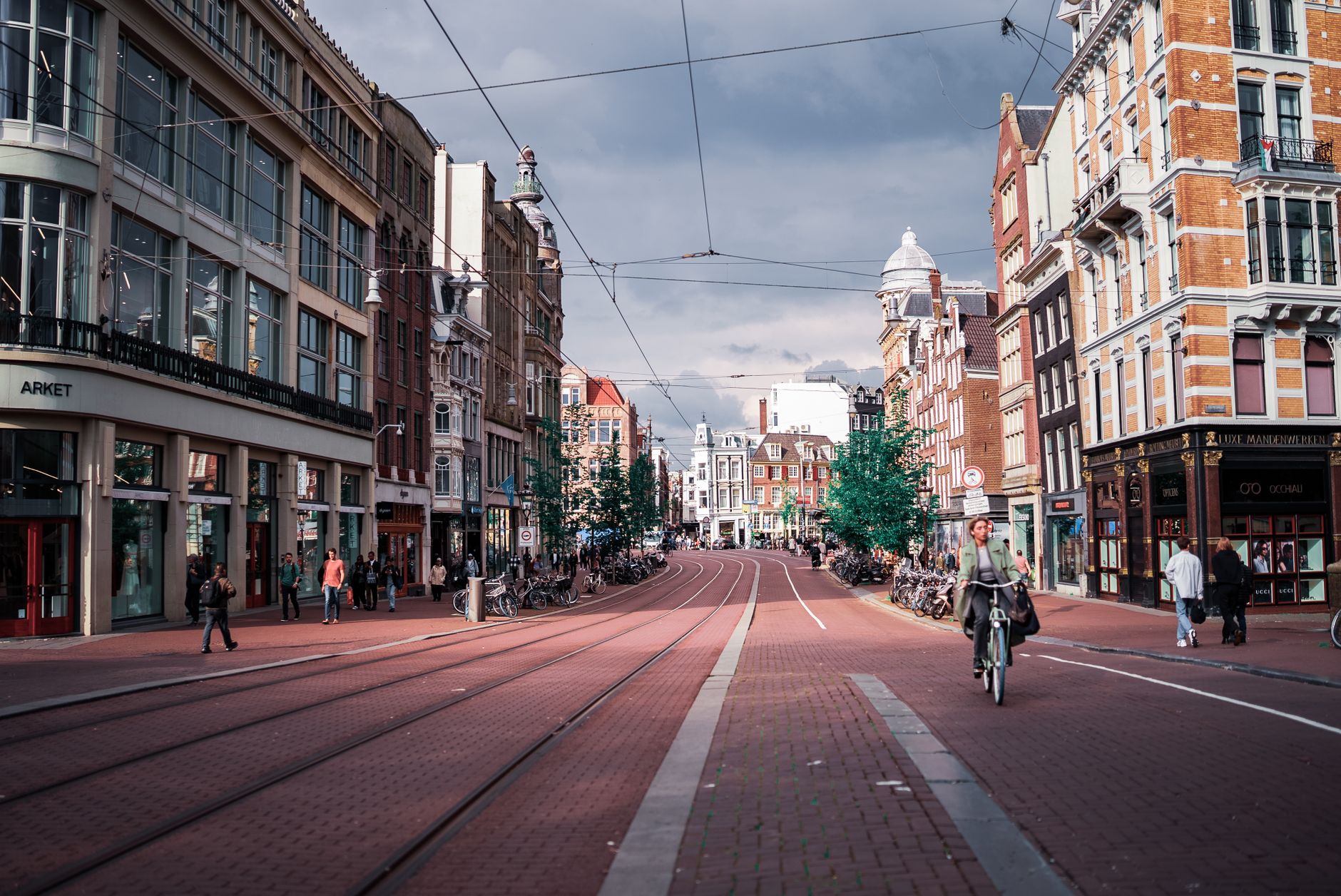
Landing in a new city can feel exhilarating—until you realize your hotel is stranded between highways or the ‘walkable’ neighborhood is more myth than reality. Choosing the right walkable hotel neighborhood isn’t just about convenience; it shapes your entire experience, from safety and accessibility to the freedom to explore on your terms. This troubleshooting guide unpacks common pitfalls and offers practical strategies so your next city adventure starts on the right foot.
When Walkability Fails: The Unexpected Pains of a Poorly Chosen Base
You’ve arrived, bags in hand, ready to explore—only to discover your hotel is marooned beside an expressway, or the nearest café is a 30-minute trek along unshaded, uneven sidewalks. It’s a common scenario: a hotel advertises itself as centrally located or ‘steps from attractions,’ but reality doesn’t match the brochure. Choosing the wrong home base can mean wasted time, fatigue, and safety concerns, especially for travelers with mobility needs. Before booking, it’s essential to recognize the failure modes that can turn a promising trip into a logistical headache.
One frequent issue is the disconnect between a hotel’s location on a map and the real-world experience of getting around. The hotel might be technically close to museums or parks, but if you have to cross a multi-lane road with no pedestrian crossing, or if the only route is through a poorly lit industrial area, the walkability is more theoretical than practical. These oversights can lead to frustration, added transportation costs, and a sense of isolation from the city you came to explore.
Mistaking Proximity for Accessibility
A hotel may be close to major sights as the crow flies, but that doesn’t guarantee easy access. Barriers like highways, train tracks, or steep hills can make short distances surprisingly tough. Sidewalks may be missing or poorly maintained, and crossings can feel perilous. For travelers who use mobility aids or have limited stamina, these gaps can render a ‘walkable’ neighborhood nearly impassable. Always check street-level details using satellite or street view maps, and don’t rely solely on distance calculations.
Another failure mode: assuming that a short walk is always a safe or pleasant one. In some cities, the most direct route may pass through areas with heavy traffic, minimal lighting, or few other pedestrians. If you’re arriving late or planning to explore after dark, these factors become even more critical. Researching the actual walking conditions—like curb cuts, sidewalk width, and the presence of crosswalks—can prevent a lot of headaches. For more on reading the subtle cues of a neighborhood, see /posts/reading-neighborhoods-like-a-traveler.
Overlooking the Rhythm of the Neighborhood
Some districts buzz during the workday but become deserted after dark. Others host lively nightlife that can mean noise or safety issues. A walkable hotel neighborhood should offer a balance: active enough for safety, quiet enough for rest, and with amenities that suit your travel style.
A common pitfall is booking in a business district that empties out on weekends or evenings. The area may feel safe and lively during the day, but after office hours, it can become eerily quiet, with few open shops or restaurants. On the flip side, staying too close to nightlife hotspots can mean sleepless nights due to noise or crowds.
To avoid these extremes, look up recent traveler reviews for mentions of noise, safety, and the availability of amenities at different times of day. City data dashboards or local forums can also reveal patterns—like when public transit stops running or if certain streets are known for late-night activity. This kind of research can help you avoid the disappointment of finding yourself in a neighborhood that doesn’t match your needs or energy levels.
Ignoring the Shoulder Season Shuffle
Cities transform with the seasons. A neighborhood bustling with outdoor cafés in June may be a ghost town in January. Construction, seasonal closures, or event surges can also affect walkability. If you’re traveling outside peak months, look for recent traveler reports and check local event calendars.
One failure mode is assuming that a lively summer scene is the year-round norm. In many cities, outdoor markets, pop-up parks, and festivals are seasonal. In the off-season, you might find boarded-up storefronts, reduced transit schedules, or even street closures for construction. These changes can dramatically alter the walkability and vibe of a neighborhood.
If your trip coincides with a major event—like a marathon or festival—expect crowds, rerouted traffic, and full hotels. Conversely, during off-peak times, services may be limited. Checking a city’s official event calendar and reading recent reviews can help you anticipate these shifts and avoid disappointment. For more on timing your urban adventures, see /posts/shoulder-season-city-travel-guide.
References
Walkable doesn’t just mean tourist attractions—it’s about daily needs. Are there grocery stores, pharmacies, and affordable restaurants within a few blocks? Is public transit accessible, frequent, and safe to use? A hotel surrounded by office towers might look central on a map but leave you stranded after 6 p.m. Prioritize access to essentials, especially if you have dietary needs or plan to self-cater. For trips involving parks or outdoor spaces, consult resources like the National Park Service’s planning portal to confirm accessible routes and services (https://www.nps.gov/planyourvisit/index.htm).
Even the most walkable neighborhood can pose risks if you’re not prepared. Check for up-to-date health advisories and know where the nearest clinics or pharmacies are located. If you have specific medical needs, such as requiring refrigeration for medications, confirm these amenities before booking. The Centers for Disease Control and Prevention’s Travelers’ Health pages (https://wwwnc.cdc.gov/travel) offer destination-specific tips, including health infrastructure and emergency contacts. Don’t hesitate to call ahead or consult a travel medicine professional if you have complex health requirements.
Another overlooked issue is how local health infrastructure might affect your plans. In some cities, pharmacies close early or are clustered in distant commercial zones. If you need over-the-counter medication or emergency supplies, being far from help can turn a minor problem into a major one. Checking the CDC’s Travelers’ Health resources before you go can help you anticipate these gaps and pack accordingly.
Neglecting Luggage and Mobility Constraints
A hotel that looks perfect on paper can become a burden if you’re lugging suitcases up steep hills or across cobblestones. If you rely on mobility aids, verify the presence of curb cuts, elevators, and smooth paths. For those carrying sensitive electronics or medical devices with lithium batteries, remember to check airline and transit policies before you travel. The FAA’s PackSafe site (https://www.faa.gov/hazmat/packsafe) details what you can—and can’t—bring, helping you avoid last-minute surprises.
A frequent failure mode is underestimating the effort required to get from transit stops to your hotel. Even a short walk can be exhausting if you’re dragging heavy bags over uneven pavement or up multiple flights of stairs. Some older hotels lack elevators, and not all city transit stations are fully accessible. If you have limited mobility or are traveling with children, these details matter.
Additionally, many travelers don’t realize that certain batteries, medications, or camping gear may be restricted on flights or trains. Checking the FAA’s PackSafe guidelines before you pack can prevent confiscations, delays, or fines. Planning for these constraints in advance will make your arrival and departure much smoother.
If your city base is a springboard for nearby parks or greenways, consider how your choices affect the environment. Stick to marked paths, respect local regulations, and minimize your footprint, even in urban settings. The Leave No Trace Seven Principles (https://lnt.org/why/7-principles/) offer guidance that applies to city parks as much as wilderness trails. Thoughtful planning ensures your explorations are sustainable and respectful of local communities.
One failure mode is treating city parks or greenways as limitless resources. Overuse, litter, and off-trail shortcuts can damage fragile habitats—even in urban areas. If you’re planning to picnic, jog, or take photos, check local guidelines for permitted activities and hours. Leave No Trace principles remind us to dispose of waste properly, respect wildlife, and be considerate of other visitors. These small actions help preserve the character and accessibility of green spaces for everyone.
Missing the Booking Details That Matter
A common failure mode is treating all booking sites and hotel listings as equally reliable. Sometimes, property descriptions are outdated or omit crucial details about accessibility, neighborhood changes, or ongoing construction. Before you commit, cross-reference multiple sources, including recent guest reviews and local news. If possible, contact the hotel directly to confirm details that matter to you—like elevator access, late check-in, or nearby transit stops.
Also, don’t forget to check cancellation policies. If you arrive and discover the neighborhood isn’t as walkable or safe as promised, having a flexible booking can save your trip. Some travelers even book two refundable options and decide on arrival, especially in unfamiliar cities.
Booking with Confidence: Final Checks
Before you commit, run through a final checklist: Do recent reviews confirm the neighborhood is as accessible as advertised? Is transit reliable and frequent? Will you feel safe walking at all hours you plan to be out? Are your essential needs—food, medical, mobility—covered within a short walk? By troubleshooting these common pitfalls, you’ll set yourself up for a richer, freer travel experience, no matter how unfamiliar the city.
Remember, the right walkable hotel neighborhood isn’t just about ticking boxes—it’s about supporting your travel goals, health, and peace of mind. A little extra research can mean the difference between feeling stranded and feeling at home.
Centers for Disease Control and Prevention, Travelers' Health — destination health notices and preparation pages at https://wwwnc.cdc.gov/travel.
Federal Aviation Administration, PackSafe — hazardous materials guidance including lithium batteries for air travel at https://www.faa.gov/hazmat/packsafe.
Landing in a new city, the first challenge is often figuring out which parts of a neighborhood feel welcoming, safe, and accessible—especially when every street looks unfamiliar. Instead of relying on vague hunches or tourist clichés, you can learn to read a neighborhood as you travel, using cues from the street, local rhythms, and a bit of practical preparation. This guide walks you through a hands-on, step-by-step approach to navigating and understanding neighborhoods on the move, with an eye toward accessibility and safety for every kind of traveler.
Shoulder season city trips promise lower rates and thinner crowds, but closed attractions, spotty transit, and unpredictable weather can still derail plans. This guide covers the common failure modes—and concrete fixes for each.
Facing your first national park trip? This narrative walks through the nuts and bolts of planning a visit that’s accessible, safe, and adaptable. From choosing your park to handling last-minute weather or accessibility surprises, follow a realistic day-by-day approach for a stress-free adventure.
Historic districts tempt travelers with winding lanes, layered stories, and visual surprises at every turn. But packing too much into a single day—especially when walking—is a recipe for exhaustion, missed details, and accessibility frustrations. This troubleshooting editorial by Aria Lawson unpacks common failure modes in historic district walking itineraries and offers practical, accessible solutions for travelers who want memorable, manageable experiences. From overambitious schedules to packing errors and sensory overload, each section names a pitfall and shares actionable advice. Whether you’re planning your first stroll or refining your approach, these insights help you savor the past without overloading your present.
Coastal town off season travel brings quieter streets, friendlier locals, and a unique rhythm to destinations often swamped in summer. But planning an accessible, comfortable visit—especially with unpredictable weather and reduced services—requires a different approach. Here’s a realistic, step-by-step day in a coastal town outside peak season, with practical tips for packing, health, and accessibility, plus how to make the most of what’s open.