Published on:
10 min read
Winter Road Trip Prep: What to Check Before Driving in Snow and Ice
A winter road trip can be beautiful and quiet, but snow, ice, and short days leave less room for error. Here is what to check on your car, your route, and your plan before you leave, plus how to drive and what to do if conditions turn against you.
Why Winter Road Trips Need a Different Plan
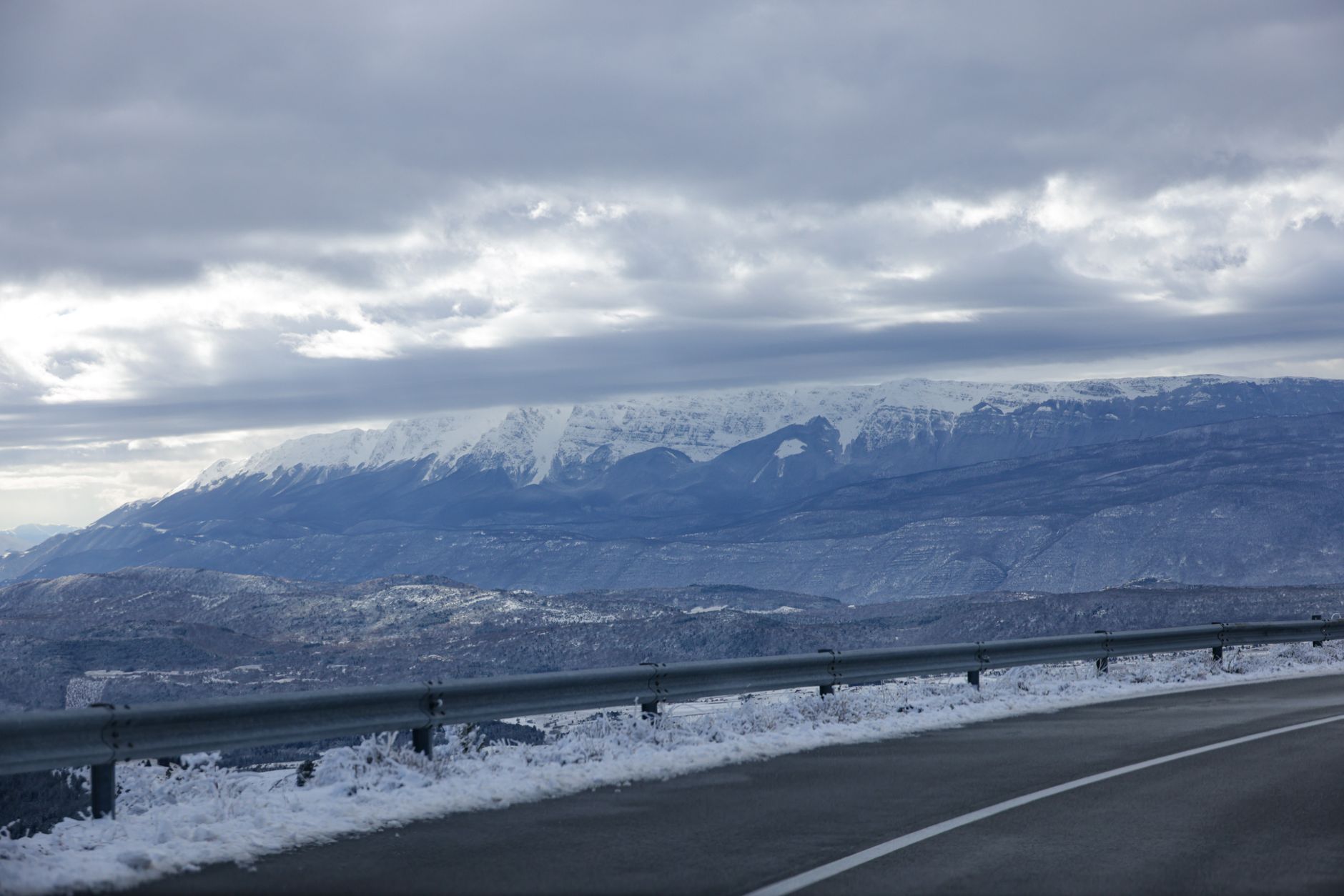
Driving in winter is not just summer driving with colder air. Snow and ice lengthen stopping distances, short days mean more driving in the dark, and road closures can appear with little warning. Services along rural routes may also run reduced hours. None of this means winter road trips are a bad idea, but they reward travelers who plan conservatively, leave margin in the schedule, and are willing to wait out bad weather. The steps below cover the car, the route, the kit, and the driving itself.
Prepare the Vehicle
Before a long winter drive, check:
- Tires: tread depth and pressure, including the spare. Cold air lowers tire pressure, so recheck on cold mornings. In areas with regular snow, winter tires marked with the three-peak mountain snowflake symbol offer better grip than all-season tires.
- Battery: cold weather reduces battery capacity. If your battery is several years old, ask a shop to test it.
- Wipers and washer fluid: replace streaking wipers and fill up with washer fluid rated for freezing temperatures.
- Lights: confirm headlights, brake lights, and turn signals all work, and clean the lenses.
- Heater and defroster: make sure both work well enough to keep the windshield clear.
Check the Route and Road Rules
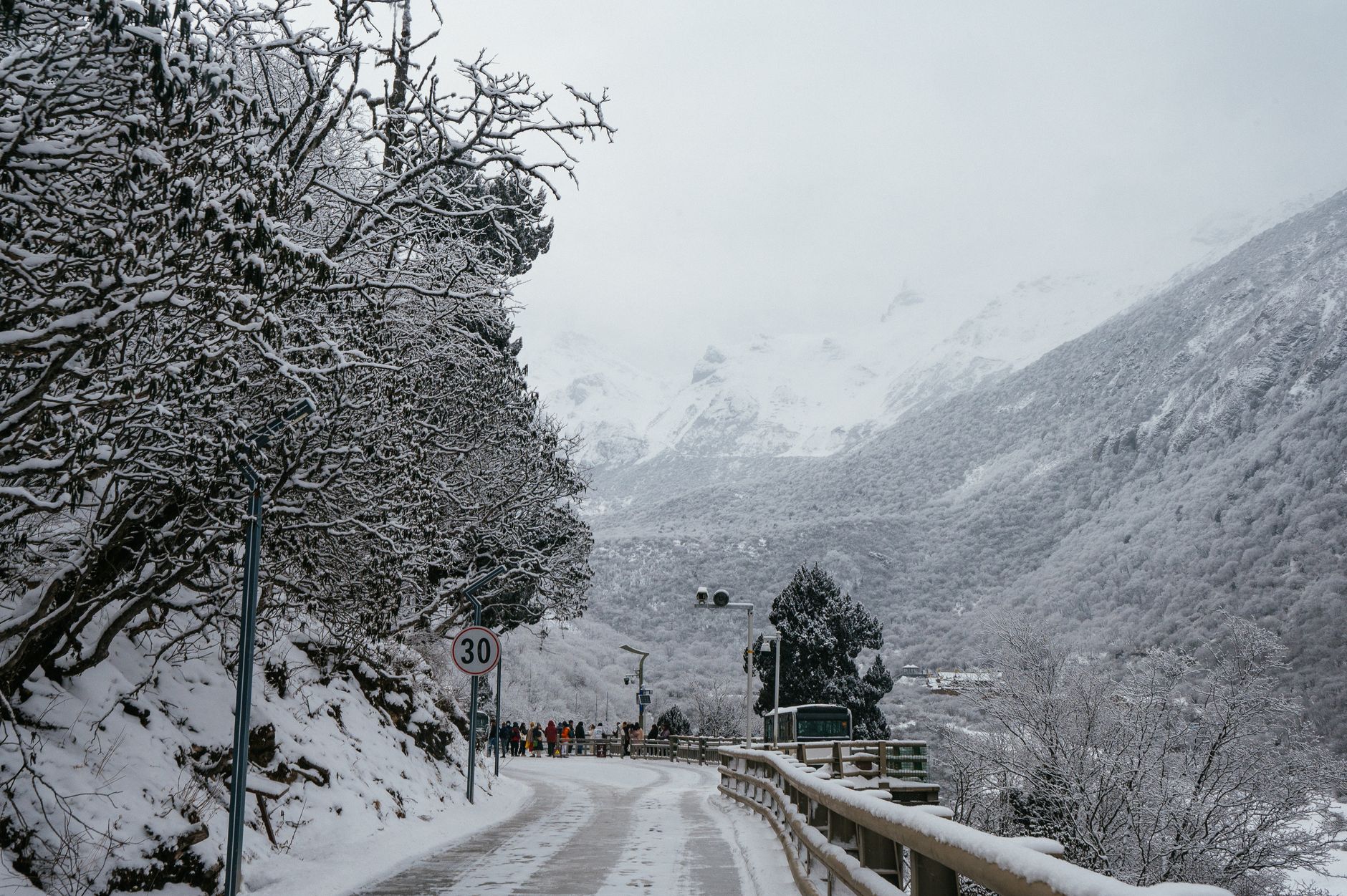
Winter conditions can close mountain passes, rural highways, and park roads. Before you set out each day, check the state or regional road condition service for your route. In the United States, many states use the 511 system, available by phone and online. Some routes have chain requirements or traction laws during storms, so learn the rules for each state or region you will cross and whether your vehicle and tires qualify. If you plan to cross high terrain, review /posts/mountain-pass-driving-checklist.
Plan Shorter Driving Days
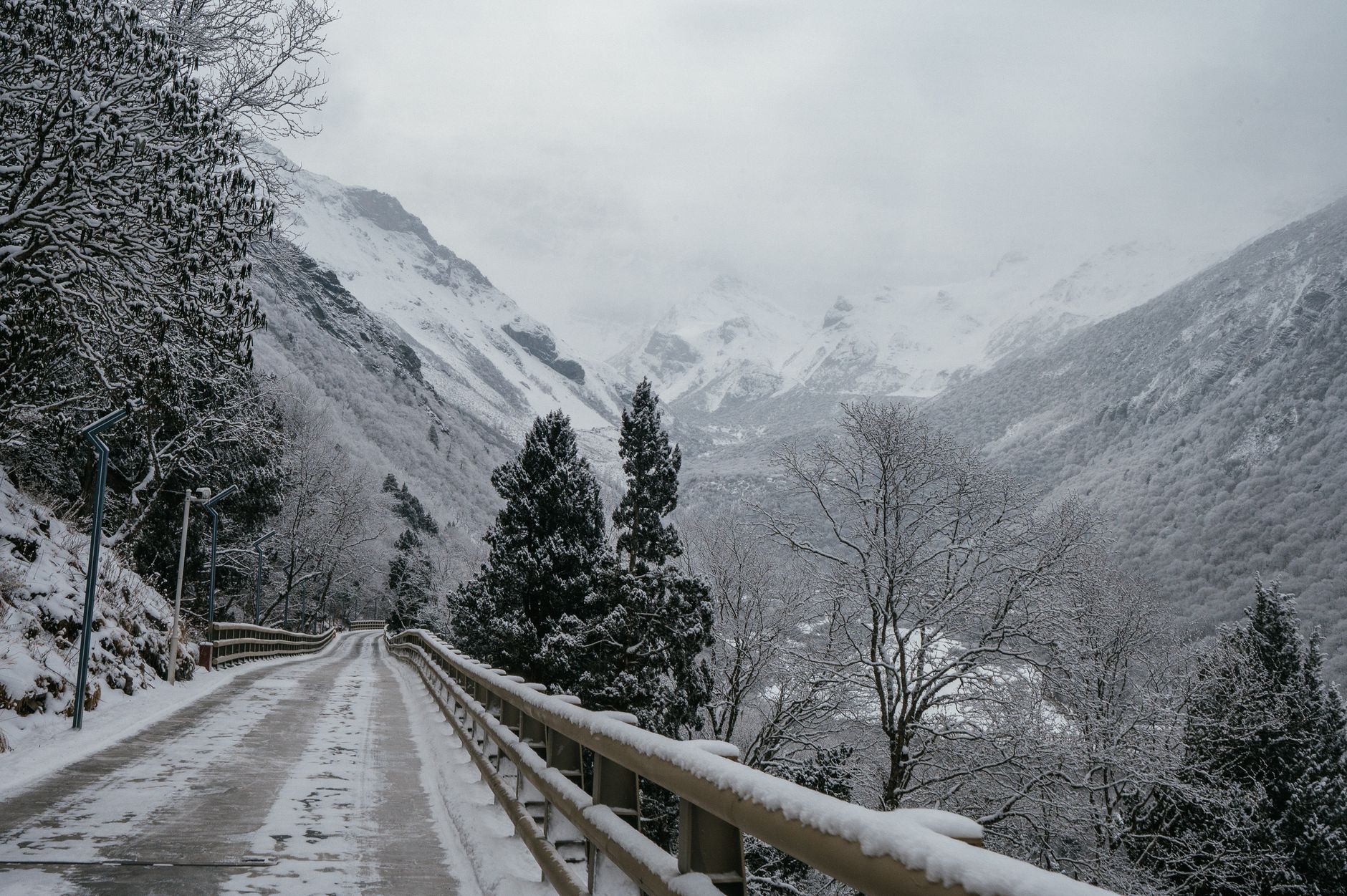
Short daylight hours and slower speeds mean you will cover less distance than in summer. Plan to finish driving before dark when possible, especially on unfamiliar or rural roads. Build buffer days into longer trips so you can wait out a storm without missing a booking. Fatigue is also a factor, since driving in snow requires constant attention. The rest-stop planning tips in /posts/rest-stop-fatigue-planning-road-trips apply even more in winter.
Pack a Winter Emergency Kit
Your standard roadside kit should grow for winter. Add:
- Warm blankets or sleeping bags
- Extra hats, gloves, and socks
- Ice scraper and snow brush
- Small shovel
- Sand, kitty litter, or traction mats
- Water and non-perishable snacks
- Flashlight or headlamp with spare batteries
- Phone charger or power bank
- Jumper cables or a portable jump starter
Driving on Snow and Ice
Clear all snow and ice from the windows, lights, mirrors, hood, and roof before driving, since snow sliding off the roof can block your view or hit other vehicles. On the road:
- Slow down and increase following distance significantly.
- Accelerate and brake gently. Sudden inputs cause skids.
- Be cautious on bridges, overpasses, and shaded areas, which freeze first and can hide black ice.
- Avoid cruise control on slippery roads.
- If you skid, ease off the accelerator and steer gently in the direction you want to go.
Accessibility and Comfort
Winter adds challenges for travelers with mobility needs. Snow and ice can block curb ramps and accessible parking spaces at rest areas and gas stations. Plan stops at larger facilities that are more likely to clear snow promptly, and pack a small mat or traction aids for getting in and out of the car. Keep medications and essential supplies within reach in the cabin, not in the trunk, and carry more than you need in case of delays. Cold can affect some mobility devices and batteries, so check manufacturer guidance.
If You Get Stuck or Stranded
If your car becomes stuck or stranded in a storm, the National Weather Service and other safety agencies advise staying with your vehicle unless help is clearly visible nearby. Call for help, turn on hazard lights, and tie a bright cloth to the antenna if you have one. Run the engine only periodically for heat, and keep the exhaust pipe clear of snow to prevent carbon monoxide buildup inside the car. Move your arms and legs to stay warm, and keep drinking water.
When to Change the Plan
If forecasts show a major storm, freezing rain, or road closures along your route, delay or reroute. A lost day is a small price compared with the risk of driving into dangerous conditions. For ideas on handling closures without abandoning the whole trip, see /posts/road-closures-detours-without-losing-trip.
References
- National Highway Traffic Safety Administration, Winter Driving Tips — vehicle preparation and driving advice at https://www.nhtsa.gov/winter-driving-tips
- National Weather Service, Winter Weather Safety — advisories, warnings, and staying safe if stranded at https://www.weather.gov/safety/winter
- Federal Highway Administration, National Traffic and Road Closure Information — links to state road condition and 511 services at https://highways.dot.gov/traffic-info
Article information
Published

About the author
Leo FosterRoad Trips & Outdoor Writer
Leo Foster covers road trips and outdoor adventure prep for WideWorldBlog. He writes methodical itineraries, packing checklists, and outdoor-readiness guides that prioritize safety and realistic planning.
More from Leo →This information is general and is not a substitute for professional advice for your specific situation.