Published on:
5 min read
Unlocking Efficiency: The Future of Logistics and Supply Chain Management
As the global market evolves, so do the strategies within logistics and supply chain management. This post explores innovative technologies and methodologies that are transforming these sectors, ultimately unlocking greater efficiency for businesses around the world.
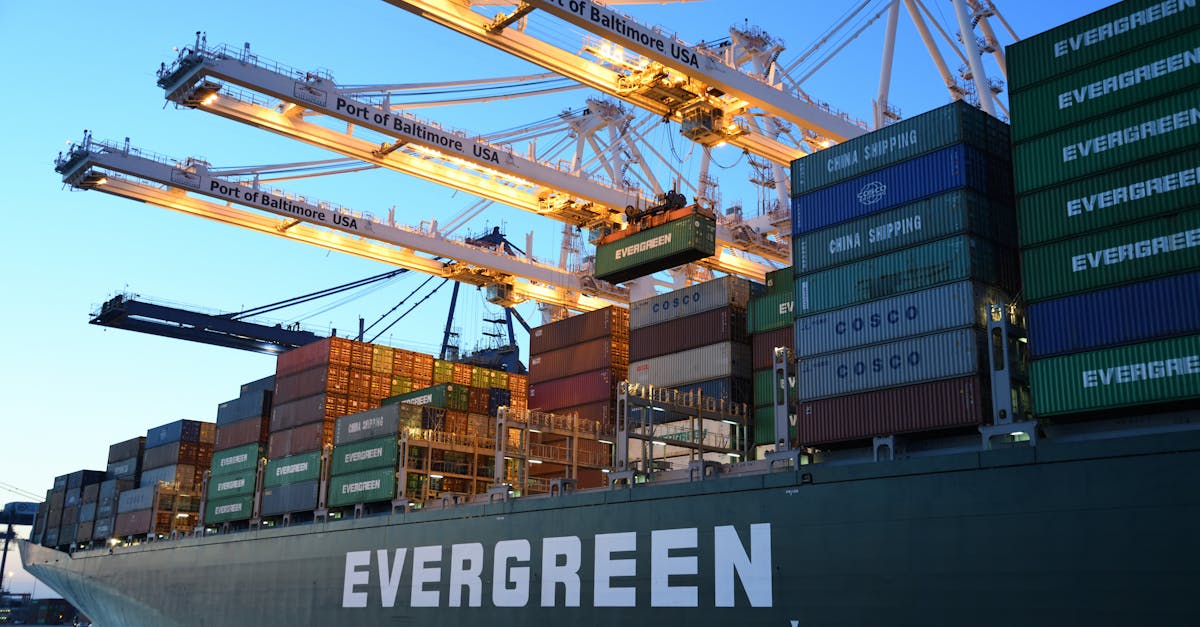
The Role of Technology in Logistics
Technology is reshaping logistics and supply chain management through advancements like automation, AI, and the Internet of Things (IoT). These innovations streamline processes, reduce operational costs, and enhance decision-making. For example, AI-driven analytics help businesses forecast demand and optimize inventory levels, minimizing excess stock and improving cash flow. Additionally, IoT devices enable real-time tracking of shipments, providing transparency and allowing for proactive problem-solving. Companies that embrace these technological changes are better positioned to respond to market fluctuations and customer demands, ultimately driving growth and efficiency.
Sustainability Trends in Supply Chain Management
In today’s eco-conscious consumer landscape, sustainability has become a pivotal focus for supply chain management. Companies are increasingly adopting green logistics practices, utilizing renewable resources, and optimizing routes to reduce carbon footprints. Initiatives like recycling packaging materials and partnering with eco-friendly suppliers not only support sustainable development but also resonate with consumers. Additionally, government regulations are pushing businesses towards more sustainable practices. This evolution is not just beneficial for the environment; it’s a competitive advantage. Companies that prioritize sustainability in their logistics strategies often find increased customer loyalty and brand trust.
Collaboration and Transparency in Supply Chains
As supply chains become more complex and global in nature, collaboration among stakeholders has become essential. Enhanced communication and data sharing between suppliers, manufacturers, and retailers lead to greater transparency and efficiency. Blockchain technology is emerging as a powerful tool in this regard, providing an immutable record of transactions that all parties can access. This transparency not only reduces the risk of fraud and errors but also fosters trust among partners. Furthermore, collaborative strategies help in risk management, allowing companies to react swiftly to disruptions while maintaining service continuity. In an era where agility is key, embracing collaboration can be the differentiator for successful supply chains.
Conclusion: The Path Forward
The evolution of logistics and supply chain management is driven by technology, sustainability, and collaboration. As these sectors embrace innovative solutions and more sustainable practices, businesses will unlock unprecedented levels of efficiency. The future of logistics depends on adaptability and a commitment to continuous improvement, making it an exciting time for those in the industry to innovate and thrive.
Article information
Published
JH
Jackson Hayes
Author
This information is general and is not a substitute for professional advice for your specific situation.