Published on:
9 min read
Travel Plug Adapters and Voltage Converters: What You Actually Need
Plug adapters and voltage converters are easy to confuse, and mixing them up can damage a device. Here is how to read your chargers' labels, which devices usually need only an adapter, when a converter matters, and how to pack a simple, safe power kit for international travel.
- •Adapters and Converters Are Not the Same Thing
- •Know the Voltage Where You Are Going
- •Read the Label on Every Device
- •Which Devices Usually Need What
- •Choosing a Plug Adapter
- •Travelers With Medical or Mobility Devices
- •Packing a Simple Power Kit
- •Safety Basics When Charging Abroad
- •Quick Checklist Before You Leave
- •References
Adapters and Converters Are Not the Same Thing
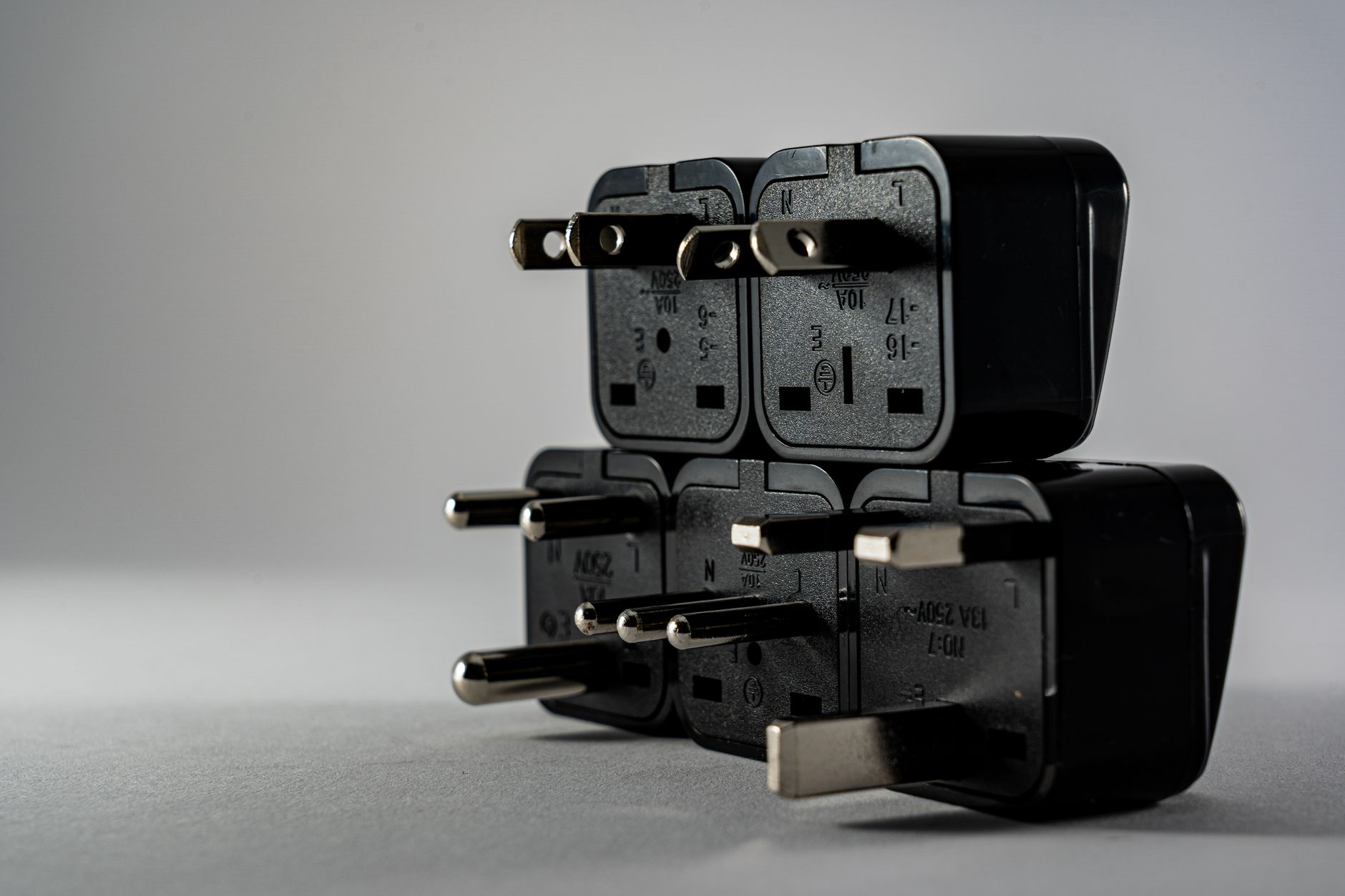
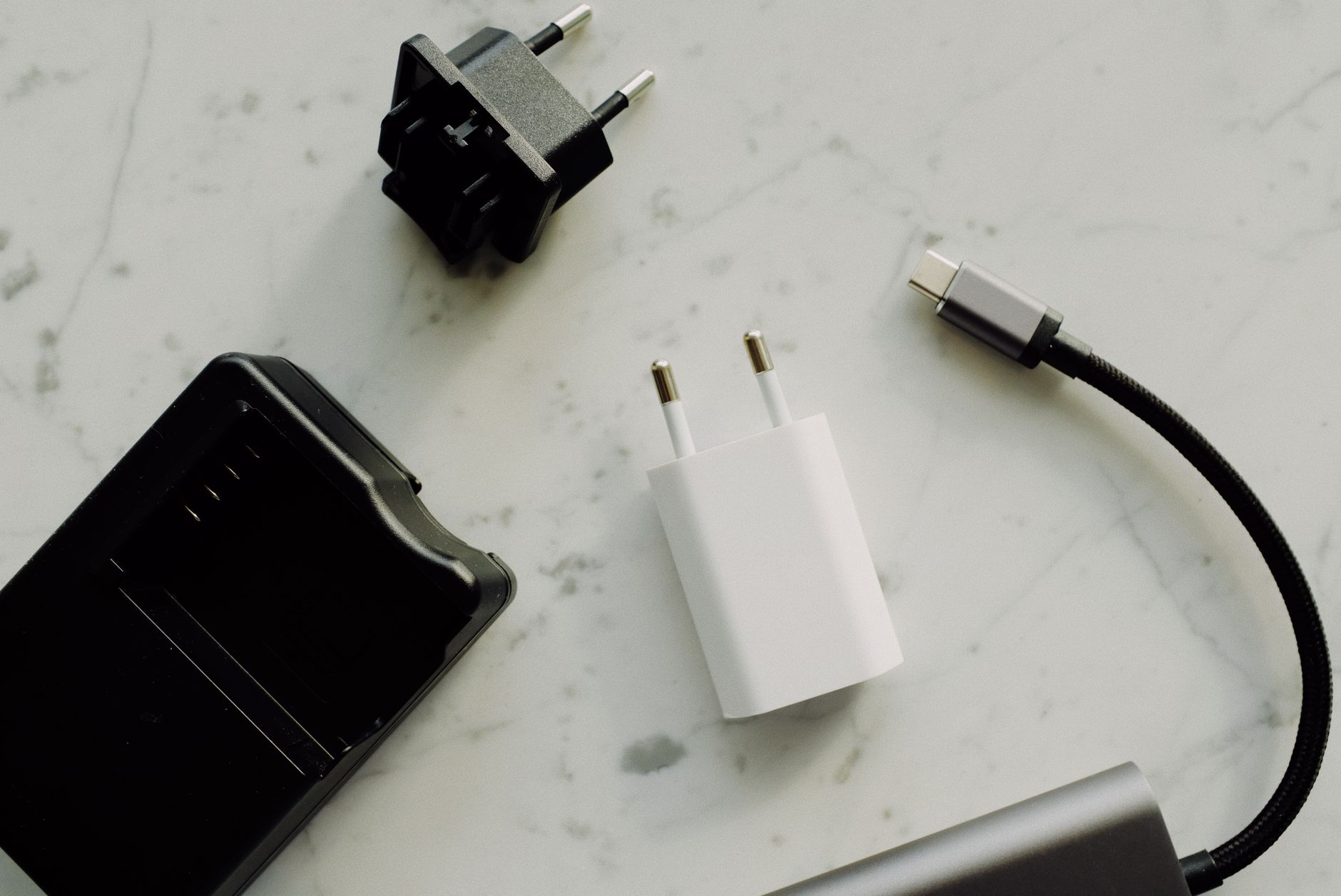
The most common travel power mistake is assuming that a plug adapter changes electricity. It does not. A plug adapter only changes the shape of the plug so it fits a foreign outlet. A voltage converter or transformer changes the voltage from the outlet to match what a device needs. Many travelers need only adapters, because most modern chargers handle a range of voltages. But plugging a device designed only for lower voltage into a higher-voltage outlet with just an adapter can damage the device or create a hazard. Knowing which situation you are in starts with reading a label.
Know the Voltage Where You Are Going
Countries use different standard voltages and outlet shapes. The United States, Canada, and some other countries use around 120 volts. Much of Europe, Asia, Africa, and Australia uses around 220 to 240 volts. Plug shapes vary as well, and some countries use more than one type. The International Electrotechnical Commission's World Plugs reference lists the plug types and voltages for each country, which makes it a good place to check before you pack.
Read the Label on Every Device
Look at the small print on each charger, power brick, or appliance. You will usually see an "Input" line. If it says something like "100-240V, 50/60Hz", the device is dual voltage, and it will work worldwide with only a plug adapter. Many phone chargers, laptop chargers, tablet chargers, and camera battery chargers are dual voltage. If the label lists a single voltage, such as "120V" only, the device is designed for that voltage and needs a converter or should stay home.
Which Devices Usually Need What
| Device | Typical Input | What You Usually Need |
|---|---|---|
| Phone or tablet charger | 100-240V | Plug adapter only |
| Laptop power supply | 100-240V | Plug adapter only |
| Camera battery charger | Often 100-240V | Check label; usually adapter only |
| Electric toothbrush or shaver | Varies | Check label carefully |
| Hair dryer, straightener, curling iron | Often single voltage | Dual-voltage model, or skip it |
| Medical devices such as CPAP | Varies | Check label and manufacturer guidance |
Choosing a Plug Adapter
- Single-country adapters are small and simple if you are visiting one country.
- Universal adapters cover many plug types in one unit. Choose one with clear markings and built-in safety features, such as fuse protection.
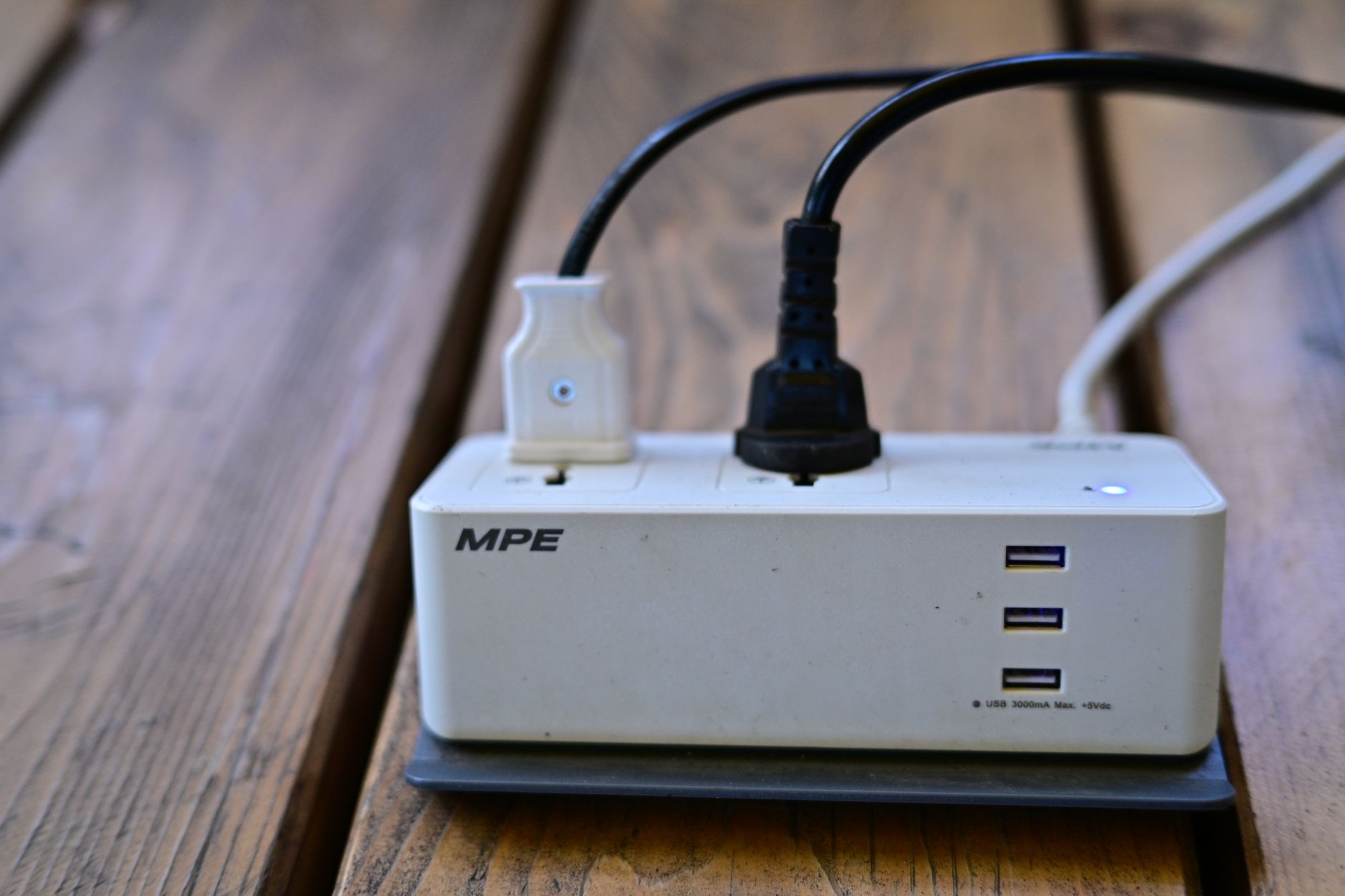
- Adapters with USB ports can charge several devices at once, which reduces the number of adapters you need. Check total output if you plan to charge a laptop.
Travelers With Medical or Mobility Devices
If you rely on powered medical equipment, such as a CPAP machine, oxygen concentrator, or mobility scooter charger, plan carefully. Check the device's input rating and contact the manufacturer for international travel guidance. Pack the correct adapters in your carry-on along with any backup batteries, and confirm with your airline about rules for medical devices and batteries. It is wise to carry a spare adapter in case one fails.
Packing a Simple Power Kit
A compact kit for most international trips might include:
- One or two plug adapters for your destination, or a universal adapter
- A multi-port USB charger to reduce the number of outlets needed
- Charging cables for each device, plus one spare
- A power bank for long days away from outlets
Safety Basics When Charging Abroad
- Do not force a plug into an outlet that does not fit.
- Do not stack multiple adapters together.
- Unplug devices and adapters that feel hot or smell unusual.
- Avoid charging devices on beds or soft surfaces where heat builds up.
- Do not leave high-power appliances running unattended.
Quick Checklist Before You Leave
- Destination plug type and voltage checked
- Every charger label read for input voltage
- Single-voltage devices replaced, converted, or left home
- Plug adapters packed in your carry-on
- Power bank charged and packed according to airline rules
- Medical device power needs confirmed with the manufacturer
References
- International Electrotechnical Commission, World Plugs — plug types and voltages by country at https://www.iec.ch/world-plugs
- Transportation Security Administration, What Can I Bring? — rules for batteries and electronics at https://www.tsa.gov/travel/security-screening/whatcanibring/all
- Consumer Product Safety Commission — product safety information and recalls for electrical products at https://www.cpsc.gov/
Article information
Published

About the author
Noah BrooksTravel Planning & Gear Contributor
Noah Brooks writes WideWorldBlog's travel-planning and gear guides. He focuses on checklists, packing systems, and practical product categories travelers actually use.
More from Noah →This information is general and is not a substitute for professional advice for your specific situation.