Published on:
5 min read
Postnatal Care 101: The Ultimate Guide to Healing & Bonding After Birth
Postnatal care is essential for both mothers and their newborns, ensuring a smooth recovery and a strong bond. This comprehensive guide explores the critical elements of healing and nurturing the maternal bond after childbirth.
Understanding Postnatal Recovery
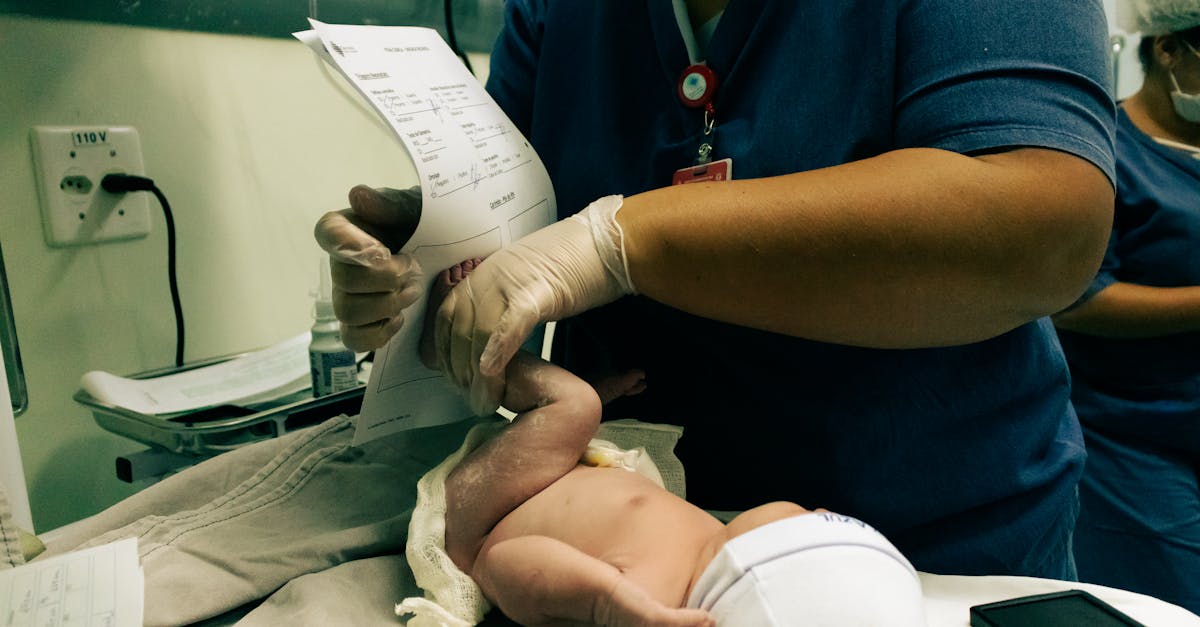
The postnatal period, often referred to as the fourth trimester, is a vital time for recovery after childbirth. During this phase, the body undergoes various changes as it readjusts to its pre-pregnancy state. Mothers can experience both physical and emotional challenges, such as hormonal fluctuations, fatigue, and possible complications. Understanding these changes is crucial for self-care. Simple practices like getting adequate rest, staying hydrated, and nourishing the body with wholesome foods can make a significant difference. It's also essential to monitor for signs of postpartum complications, such as excessive bleeding or signs of infection, and seek medical support when needed.
Nurturing the Bond with Your Newborn
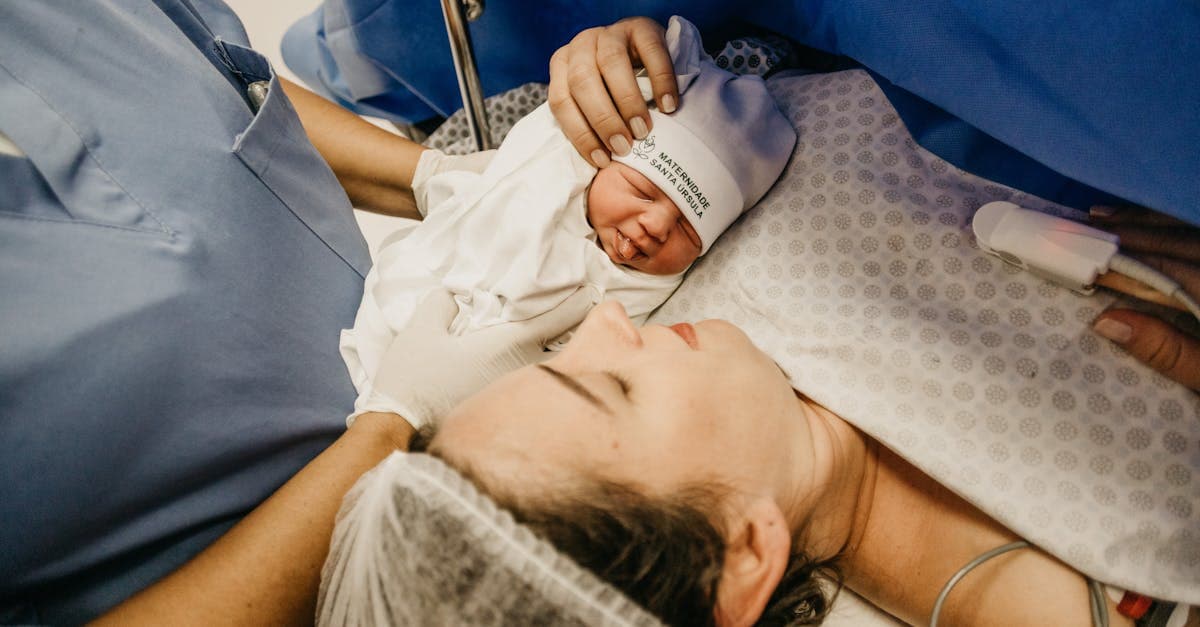
Bonding with your newborn is a natural yet sometimes challenging process that can significantly enhance the postnatal experience. Skin-to-skin contact is one of the most effective methods for establishing this bond, as it helps regulate the baby's temperature, heart rate, and breathing while promoting breastfeeding. Engaging in gentle activities, like baby massage or singing to your infant, can foster emotional connections. The early days are also a time of intense learning for new parents, so patience with yourself and your baby during this adjustment period is key. Seeking support from family and friends can also provide comfort and strengthen this beautiful bond.
Emotional Well-being After Birth
Postnatal emotional well-being is just as important as physical recovery but is often overlooked. Many women experience feelings of sadness, anxiety, or overwhelm in the weeks following childbirth, a condition known as the ‘baby blues.’ It's essential to recognize that these feelings are normal. However, if they persist or worsen, it might indicate postpartum depression, which requires professional help. Implementing self-care routines, such as practicing mindfulness, journaling, or connecting with other new mothers, can significantly improve emotional health. Building a strong support network can also provide a space for sharing feelings and experiences, which is crucial in navigating the postnatal landscape.
Conclusion: Embrace the Journey
Postnatal care is a multifaceted journey encompassing physical healing, emotional support, and bonding with your baby. By understanding the changes your body goes through and nurturing the relationship with your newborn, you can pave the way for a fulfilling and healthy transition into motherhood. Remember, it's vital to prioritize your well-being and seek support whenever needed. Embrace this transformative experience, and know that you are not alone in this journey.
Article information
Published
VS
Violet Stevens
Author
This information is general and is not a substitute for professional advice for your specific situation.