Mountain passes promise breathtaking views and memorable journeys, but they also demand careful planning and a vigilant approach to safety. Before you tackle winding switchbacks and steep climbs, it’s crucial to run through a thorough mountain pass driving checklist. From weather checks to vehicle readiness and responsible travel habits, here’s how to ensure your adventure is smooth, safe, and accessible to everyone in your car.
Driving over a mountain pass is nothing like cruising down a flat interstate. The elevation, unpredictable weather, and dramatic changes in road conditions can catch even seasoned road trippers off guard. Unlike most highways, mountain routes often lack frequent services, cell coverage, and emergency pullouts. If you’re planning a trip that includes high-altitude traverses, a detailed mountain pass driving checklist isn’t just smart—it’s essential for safety, comfort, and accessibility. Ignoring preparation can turn a scenic drive into a stressful ordeal, especially if you’re traveling with children, seniors, or anyone with limited mobility. Even a short stretch of inclement weather, a missed turn, or a mechanical hiccup can escalate quickly in the mountains, where help may not be just a phone call away. The stakes are higher, but so are the rewards for those who plan ahead.
References
Mountain passes can close suddenly due to avalanches, rockslides, or storms, even in summer. Always confirm your planned route is open before departure. Start with official resources: federal scenic byways listings and park travel advisories are updated regularly. For national parks or protected areas, check visitor info and any required reservations or timed entries. If your route looks questionable, consider alternative scenic drives or adjust your itinerary. For multi-day routes, see /posts/realistic-multi-day-driving-itinerary for adaptable planning.
Federal Highway Administration, America's Byways — find current status and details for scenic mountain routes at https://www.fhwa.dot.gov/byways/.
Recreation.gov — federal recreation reservations and timed-entry systems, essential for popular passes at https://www.recreation.gov/.
Monitor Weather—Then Monitor Again
Weather in the mountains is famously fickle. Clear skies at the base can turn to fog, snow, or thunderstorms at the summit. Before setting out, check the latest forecasts for both your start and end points, and especially for the highest elevation along your route. The National Weather Service offers pinpoint forecasts and real-time alerts for specific mountain regions. If you see warnings for snow, icy roads, or high winds, it’s wise to delay or reroute. Remember, conditions can change hourly—if you’re already en route, pull over at a safe spot and check for updates. Even a brief sunshower can turn a dry road slick, and sudden temperature drops may bring black ice or hail. If you’re traveling in spring or fall, be aware that mountain weather can shift from mild to severe within minutes. It’s also smart to check for any weather-related travel advisories or chain requirements before you leave. Don’t rely solely on smartphone apps; radio updates and roadside signs often provide the most current information, especially in remote areas where cell coverage is spotty.
sources
Inspect Your Vehicle for Mountain Readiness
A mountain pass can expose weaknesses in your vehicle you’d never notice on everyday roads. Before you go:
Test your brakes for responsiveness—steep descents demand more braking power.
Check tire tread and pressure, including your spare.
Top up all fluids, especially coolant and windshield washer fluid.
Confirm your battery is strong; cold or high elevation can sap its power.
If you’re driving an EV, map out charging points—mountain terrain can drain batteries quickly.
If you notice soft brakes, low tread, or warning lights, consult a mechanic before tackling the pass. Don’t risk breakdowns where help is hours away. Consider that mountain driving puts extra strain on transmissions and engines, especially when climbing for long periods or descending steep grades. If your vehicle has a manual transmission, familiarize yourself with engine braking to avoid overheating your brakes. For automatics, use lower gears to control your speed on descents. Carry extra windshield washer fluid, as mountain roads can be dusty or muddy, and sudden weather can obscure your view. If your car is loaded with gear or passengers, double-check weight limits and distribute cargo evenly to maintain stability. For those towing trailers or campers, review your vehicle’s towing capacity and inspect all hitch connections and trailer brakes. Even minor issues can become major problems far from help.
Plan for Accessibility and Comfort
Mountain passes often lack ADA-compliant facilities, and rest stops can be few and far between. If you or your passengers need accessible restrooms or require frequent stops, research locations in advance. Pack extra water, snacks, and any required medications. For long stretches, review /posts/rest-stop-fatigue-planning-road-trips for tips on staying alert and comfortable. If you travel with mobility devices, double-check storage and securement, and plan for extended travel times—steep grades can slow progress. Consider the needs of all travelers: young children may need more frequent breaks, and seniors or those with chronic health conditions may be more sensitive to altitude changes. Even healthy adults can experience mild altitude sickness above 7,000 feet, so plan for gradual ascents if possible and encourage everyone to hydrate. If you’re traveling with pets, remember that they can also be affected by altitude and temperature swings. Bring extra water for them and never leave them unattended in a parked car, even briefly. For overnight trips, confirm that your lodging is accessible and that you have backup options in case of delays.
Mountain weather and remote roads mean you should carry more than the usual road trip kit. Essentials include:
A well-stocked first-aid kit
Blankets or emergency thermal blankets
Extra water and high-energy snacks
Flashlight and spare batteries
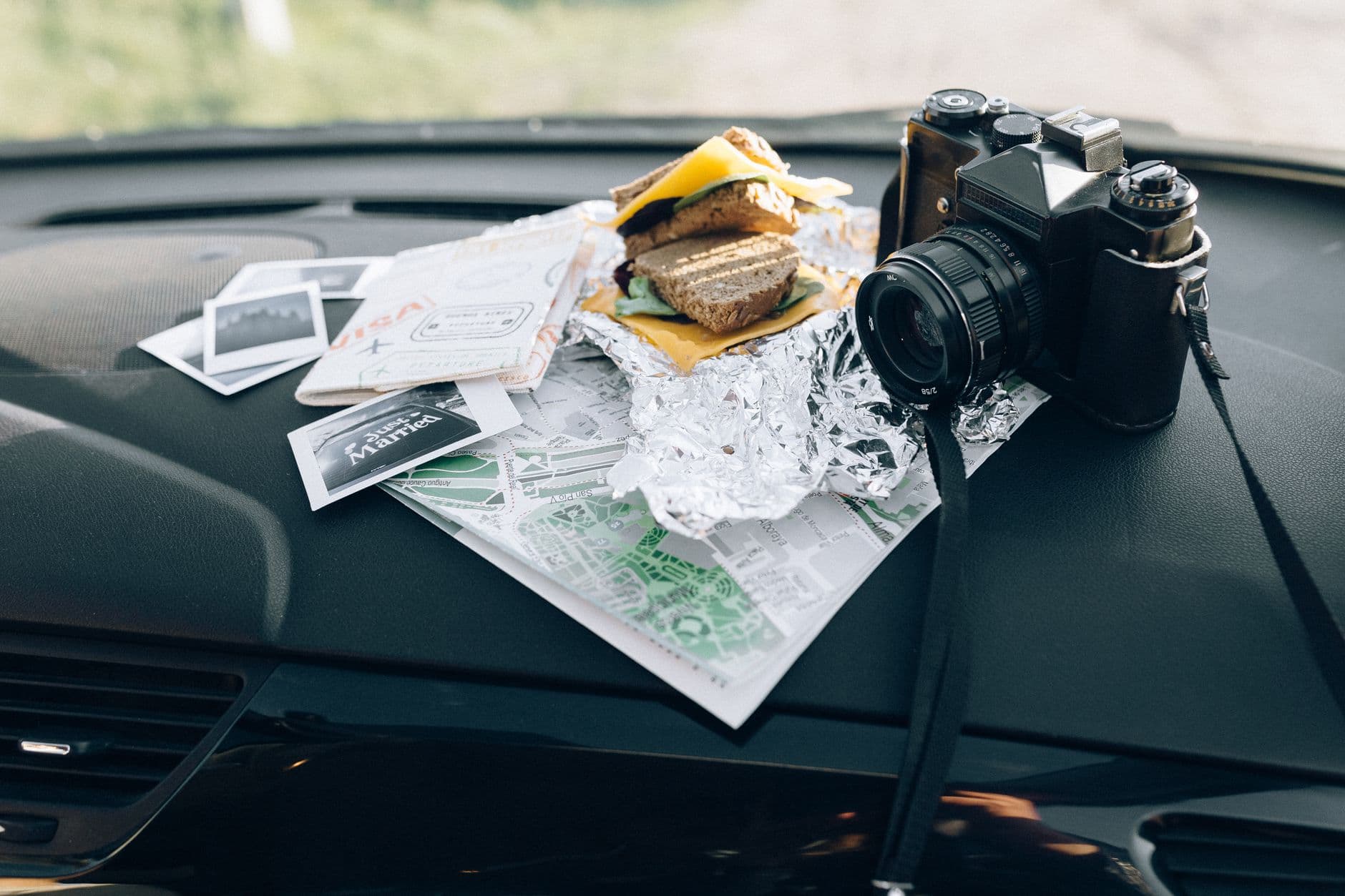
Paper maps (don’t rely solely on GPS)
Traction aids (like sand or traction mats) if snow or ice is possible
If you’re traveling with children or those with medical needs, customize your kit accordingly. For vehicle emergencies beyond your skill—such as engine overheating or brake failure—call roadside assistance or emergency services rather than risk DIY fixes on a narrow shoulder. Add a portable phone charger or power bank, as cold weather can drain device batteries quickly. Consider carrying a small shovel, jumper cables, and basic tools. If you’re traveling in winter or early spring, pack tire chains (and practice installing them before your trip). A small supply of non-perishable food, such as energy bars or trail mix, can be a lifesaver if you’re stranded for several hours. Reflective vests or triangles help increase your visibility if you need to stop on the roadside. If you’re traveling in a group, make sure everyone knows where the emergency kit is stored and how to use its contents.
Respect Mountain Environments
Mountain passes traverse fragile ecosystems. It’s easy to unintentionally cause harm by walking off trail, leaving trash, or disturbing wildlife. Follow the Leave No Trace Seven Principles: pack out all garbage, avoid picking plants, and give wildlife plenty of space. If you stop at viewpoints or trailheads, use established parking and paths. These small actions protect access for future travelers and keep the experience beautiful for all. Even biodegradable waste, like food scraps, can disrupt local wildlife and attract animals to roadways. Stay on designated trails and respect any posted closures or restoration areas. If you’re camping, use established campsites and minimize campfire impacts. When nature calls, use restrooms or follow recommended waste disposal methods. The high country is especially sensitive to human impact, and a little extra care helps preserve these landscapes for everyone. For more details, review the full Seven Principles at lnt.org/why/7-principles/.
Even with the best preparation, mountain driving is physically and mentally demanding. Steep grades, tight switchbacks, and drop-offs require steady focus. If you’re new to mountain routes, start with lower-elevation passes or drive during daylight hours. If you feel tired or anxious, pull off at a safe turnout and rest. Don’t push through fatigue—mountain roads are unforgiving to distracted or drowsy drivers. For tips on pacing and fatigue management, see /posts/rest-stop-fatigue-planning-road-trips. If you’re traveling with multiple drivers, rotate regularly to stay sharp. If you notice symptoms of altitude sickness—headache, nausea, shortness of breath—descend to a lower elevation and rest. Trust your instincts: if a section of road feels unsafe due to weather, traffic, or your own confidence, it’s okay to turn around or wait for better conditions. The goal is to enjoy the journey, not just reach the destination.
Final Thoughts: Preparation Means Peace of Mind
A well-prepared mountain pass drive can be the highlight of your road adventure—stunning vistas, crisp air, and a sense of accomplishment. The right mountain pass driving checklist helps you avoid trouble, travel responsibly, and enjoy the journey. With a little groundwork, you’ll be ready for whatever twists, turns, and surprises the high country serves up. Whether you’re a first-timer or a seasoned mountain driver, the payoff for careful planning is peace of mind and a safer, more enjoyable trip for everyone in your vehicle. Take the time to review official sources, check your vehicle, and pack thoughtfully. The mountains reward those who respect their power and beauty—and who travel prepared.
References
Federal Highway Administration, America's Byways — find current status and details for scenic mountain routes at https://www.fhwa.dot.gov/byways/.
Leo Foster covers road trips and outdoor adventure prep for WideWorldBlog. He writes methodical itineraries, packing checklists, and outdoor-readiness guides that prioritize safety and realistic planning.
Scenic byways cross remote stretches with limited services and changing conditions. This checklist covers what to confirm before you go—route status, accessibility, weather, and backup plans—using official sources and a Blue Ridge Parkway walkthrough.
Long drives turn dangerous when fatigue sets in, especially for travelers with accessibility needs. Here is how to plan rest stops into your route, pick stops that actually help you recover, and build a fatigue-aware itinerary that works for everyone in your group.
When plotting a multi-day road trip, the real challenge is balancing stamina, accessibility, and logistics—while keeping the journey enjoyable. This narrative details a step-by-step approach to building a multi-day driving itinerary that works for real travelers, not just on paper. From defining daily driving limits to booking accessible lodging and handling unpredictable weather or border crossings, this guide shares how to sequence decisions for a trip that’s safe, inclusive, and manageable.
A sudden road closure can turn a promising road trip into a logistical headache, especially for travelers with accessibility needs or those meticulously planning multi-day drives. This editorial walks through practical, actionable strategies for road closure detour planning—covering how to anticipate disruptions, adapt your route on the fly, and keep your adventure on track without sacrificing comfort or safety.