Leave No Trace Hiking: Simple Strategies for Casual Day Hikers
Many new hikers want to enjoy the outdoors without leaving a mark but feel unsure where to start. This guide breaks down the essentials of leave no trace hiking for day trips—blending practical steps into your routine so you can protect trails, wildlife, and the experience for everyone.
If you’ve ever followed a muddy detour around a puddle or spotted snack wrappers tucked under a log, you’ve seen how even casual day hikers can unintentionally harm the places they want to enjoy. Unlike backcountry expeditions, day hikes attract high traffic—so even minor shortcuts or forgotten trash quickly add up. Adopting leave no trace hiking habits isn’t just for wilderness experts; it’s the single most effective way everyday visitors can keep trails accessible, clean, and welcoming for all. Even a single boot print off the main path can trample delicate plants, and a single piece of litter can encourage more. The collective impact of small choices shapes the health and beauty of the outdoors for everyone who follows.
Preparing for a Low-Impact Outing
Thoughtful preparation is the first step to minimizing your footprint. Before heading out, check if your chosen park or trail has any accessibility features, rules, or alerts—especially if you need accommodations or are traveling with someone who does. Many parks offer accessible parking, restrooms, and surfaces; knowing this ahead of time helps you plan a route that works for everyone in your group. Visit the park’s website or contact staff if you’re unsure about accessibility details or trail conditions.
Pack only what you need, focusing on reusable containers and a small trash bag for waste. Avoid single-use plastics and disposable packaging when possible. Bring a lightweight, sealable bag for collecting any trash you generate, and consider carrying an extra for picking up litter you find along the way.
Dress in layers to stay comfortable no matter the weather, which helps you stick to the main trail even when conditions change. Start with a moisture-wicking base layer, add an insulating layer for warmth, and finish with a wind- or rain-resistant shell. This approach keeps you dry and warm if the weather shifts, reducing the temptation to cut your hike short or stray off the trail. For detailed advice on clothing systems, see REI Co-op Expert Advice, Layering Basics — clothing-system guidance for changing weather. https://www.rei.com/learn/expert-advice/layering-basics.html
Remember to check the weather forecast and pack accordingly. If rain is likely, bring a pack cover or dry bags to protect your gear. For sunny days, don’t forget a hat, sunglasses, and sunscreen. Proper preparation keeps you comfortable and focused on enjoying the hike, not scrambling to adapt.
Sticking to the Trail—Even When It’s Messy
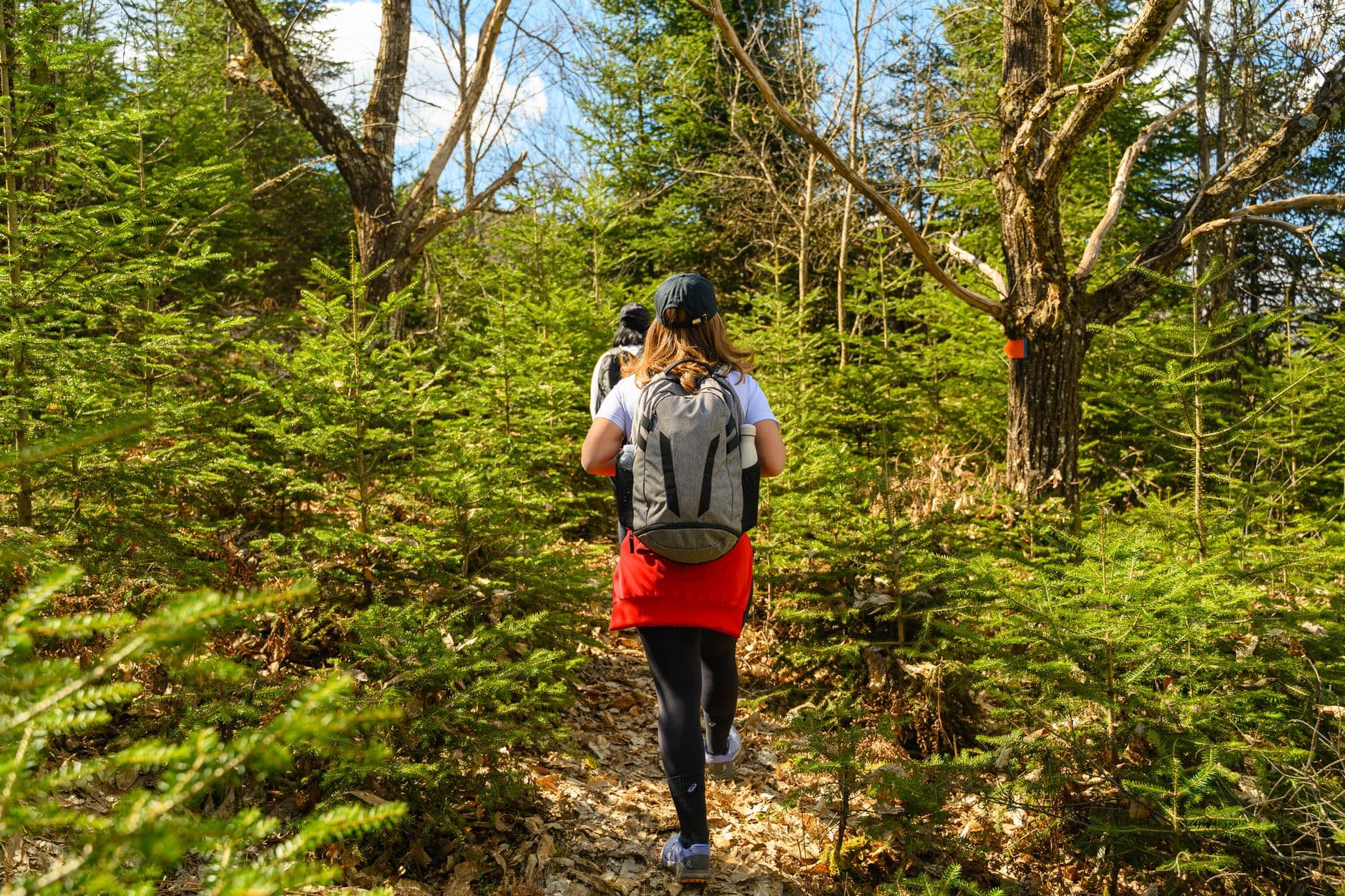
It’s tempting to step off the path to avoid mud or crowds, but this widens trails and damages fragile plants. Whenever possible, walk straight through puddles or rocky sections rather than around them. If you encounter an obstacle that truly blocks the route, turn back instead of creating a new path. This simple habit preserves the trail’s integrity and minimizes erosion over time.
If you’re hiking with children or pets, encourage them to stay close and avoid wandering off. Explain why it matters: even a few steps off the trail can crush seedlings or disturb animal habitats. In muddy conditions, use trekking poles for balance and wear waterproof boots so you can confidently stick to the main path. If the trail is icy or slippery, take small, careful steps and use traction devices if needed.
In high-traffic areas, staying on the trail also helps keep the experience accessible for others, including those with mobility aids who rely on stable, predictable surfaces. If you see others stepping off the path, set a positive example by sticking to the route yourself.
Packing Out Everything—Not Just Trash
Leave no trace hiking means carrying out all your waste. That includes fruit peels, snack crumbs, tissues, and pet waste—items that might seem harmless but can disrupt local wildlife or attract pests. Keep a sealable bag in your pack for all refuse, and check your rest spot for forgotten items before you leave. If you’re unsure whether something counts as waste, pack it out to be safe.
Food scraps, even biodegradable ones, can take years to break down and may introduce non-native seeds or attract animals. Pet waste can spread disease and pollute water sources, so always bag and carry it out. If you use tissues or wipes, choose unscented, biodegradable options and pack them out, too.
Before heading home, double-check your pockets, pack, and the area around your rest stops for any stray wrappers, bottle caps, or gear. If you see litter left by others and can safely collect it, do so—it’s a small act that makes a big difference.
Respecting Wildlife from a Distance
Wild animals may seem curious or friendly, but feeding or approaching them can make them dependent on people and lead to dangerous encounters. Use your camera’s zoom instead of getting closer, and store all food and scented items securely. If you spot wildlife blocking the trail, give them time and space to move on. Always check park-specific guidance for minimum safe distances before your visit. For more on accessibility and park-specific policies, see National Park Service, Accessibility — park access resources for visitors with disabilities. https://www.nps.gov/subjects/accessibility/index.htm
Never attempt to touch, feed, or call to animals. Human food can make wildlife sick and alter their natural behaviors. If you see a nest, burrow, or den, give it a wide berth. Teach children to observe quietly and respect all creatures, from birds and squirrels to insects and amphibians.
If you’re hiking in areas known for bears or other large animals, carry bear spray where recommended and know how to use it. Store snacks and scented items in odor-proof bags or containers, and avoid leaving any trace of food behind. Respecting wildlife keeps both animals and hikers safe.
Trail Courtesy: Sharing the Space
Good trail etiquette is as important as environmental care. Yield to uphill hikers and those with mobility aids, keep your group small and noise low, and leash pets where allowed. Using headphones? Keep the volume low so you stay aware of your surroundings. If a trail is crowded, consider visiting at off-peak times or choosing a less-trafficked route.
When passing others, step aside on durable surfaces rather than trampling vegetation. Announce yourself politely if you need to pass, and offer a friendly greeting. If you encounter equestrians, step off the trail on the downhill side and wait for horses to pass. For cyclists, yield to hikers unless local rules state otherwise.
If you’re hiking with children, remind them to stay close and be considerate of other visitors. For those with accessibility needs, check if the trail has passing zones or wider sections to accommodate mobility devices. Everyone benefits when the trail is a welcoming, respectful space.
Leave Natural and Cultural Finds Where You Discover Them
It can be tempting to pocket a pretty rock or wildflower, but removing natural or historical objects erases the experience for others and is often illegal. Take only photos and leave everything else in place, including any stones used as markers or cairns. If you see litter or out-of-place objects, pack them out if you can do so safely.
Cultural artifacts, such as arrowheads or pottery shards, are protected by law in many areas. Even moving rocks or logs can disturb animal homes or disrupt the local ecosystem. Encourage children to observe and sketch interesting finds rather than collecting them.
If you come across a trail sign, marker, or educational display, leave it as you found it for the next visitor. Preserving both natural and cultural features ensures everyone can enjoy the trail’s unique character.
Rest Stops and Snack Breaks: Invisible Visits
When you pause for a break, choose durable surfaces like rocks or gravel over soft vegetation. Spread out only as much as necessary, and check your spot for crumbs, wrappers, or gear before moving on. Campfires are rarely appropriate on day hikes—always follow posted restrictions, and if you’re unsure, skip the fire entirely.
If you need to relieve yourself, use established restrooms or follow park guidelines for waste disposal. In areas without facilities, move at least 200 feet away from water sources, trails, and campsites, and pack out toilet paper in a sealed bag. For feminine hygiene products, use unscented, packable options and carry them out.
During snack breaks, keep food contained and avoid scattering crumbs. If you spill, pick up what you can and pack it out. Take a moment to scan your rest area for forgotten items—water bottles, hats, or wrappers—before you continue.
Quick-Check: Leave No Trace Habits for Every Hike
Before you leave home:
Review park rules and accessibility info
Pack layered clothing and a waste bag
Plan snacks and water in reusable containers
On the trail:
Stay on marked paths—even if muddy
Carry out all trash and scraps
Give wildlife plenty of space
Yield courteously and keep noise down
Before heading home:
Sweep your rest area for forgotten items
Double-check you’ve left nothing behind
These habits become second nature with practice, making each hike more enjoyable and less impactful on the environment. Share your knowledge with friends and family, and encourage others to adopt leave no trace hiking practices.
When to Adjust or Ask for Help
Sometimes, conditions or personal needs make leave no trace hiking more complicated—like when mobility devices require a wider path, or storms force a change in plans. In such cases, prioritize your safety and well-being. If you’re unsure about local rules or accessibility features, contact park staff ahead of time. For severe weather or evacuation scenarios, follow official guidance—see Ready.gov, Evacuation — household preparedness language useful when storms disrupt travel plans. https://www.ready.gov/evacuation
If you need to leave the trail due to injury, weather, or other emergencies, do so in the least disruptive way possible. Mark your route if you must leave the path, and inform park staff if you encounter hazards or damage. For those with accessibility needs, ask about alternate routes or support services before your visit. Many parks offer maps, audio guides, or shuttle services to make trails more inclusive.
If you’re traveling to a park from out of state or internationally, check travel requirements and security rules for what you can bring on planes or across borders. For up-to-date information on travel security, see the Transportation Security Administration’s What Can I Bring page (https://www.tsa.gov/travel/security-screening/whatcanibring/all) and U.S. Customs and Border Protection’s travel resources (https://www.cbp.gov/travel). Proper planning helps you avoid surprises and ensures you’re prepared for any situation.
Leo Foster covers road trips and outdoor adventure prep for WideWorldBlog. He writes methodical itineraries, packing checklists, and outdoor-readiness guides that prioritize safety and realistic planning.
Before a day hike, a handful of practical decisions—trail choice, weather, gear, pacing—can make the difference between a good outing and a stressful one. This checklist covers the choices that matter most for accessible, non-technical day hikes.
A spontaneous outdoor day can easily unravel without a bit of planning—especially if you’re seeking accessible, stress-free fun at a picnic or day-use area. This guide walks you through a realistic step-by-step approach, from choosing the right site and prepping your drive to ensuring comfort, safety, and environmental respect. Whether you’re a solo traveler, family, or group of friends, you’ll find practical advice for an enjoyable, low-hassle day in nature.
Rain can turn a routine hike into a risky challenge, forcing hikers to make tough decisions about safety, accessibility, and trail stewardship. Understanding how rain transforms trail conditions and knowing exactly when to press on—or when to turn back—can be the difference between a memorable adventure and a hazardous misstep. This guide walks you through practical factors to weigh before, during, and after rainy trail hiking, so you can make smart, timely decisions without relying on guesswork.
As summer temperatures climb, even experienced hikers can underestimate the risks of a hot-weather day hike. Making the right decisions—when to push forward, when to turn back—can mean the difference between a rewarding adventure and a dangerous ordeal. This guide walks you through the critical choices, from pre-hike planning to on-trail judgment calls, so you can enjoy the outdoors safely and responsibly.