Published on:
5 min read
The Complex Web of Criminal Justice: Understanding Its Impact on Society
The criminal justice system plays a critical role in maintaining societal order and safety. This post explores how its intricate mechanisms affect individuals and communities, highlighting the challenges and reforms necessary for a fair system.
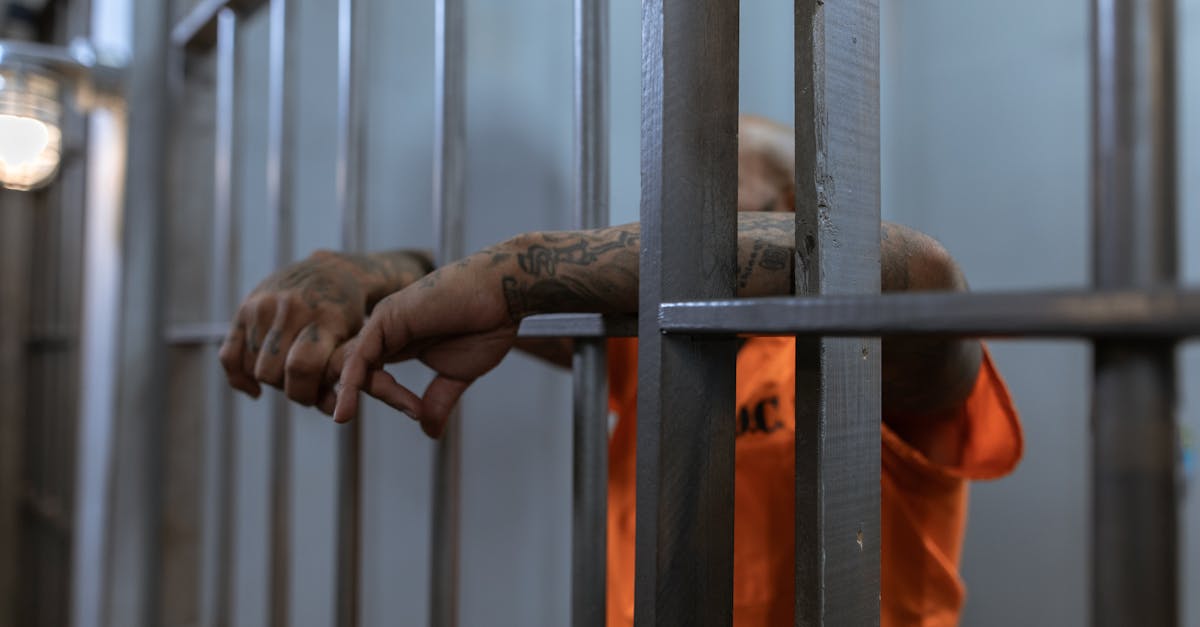
The Foundations of Criminal Justice
At its core, the criminal justice system is designed to uphold the law and ensure justice for all. It encompasses law enforcement, the judiciary, and corrections. Each component plays a pivotal role in maintaining social order. Law enforcement officers are often the first point of contact, tasked with enforcing laws and preventing crime. The judiciary offers a platform for resolving disputes and administering justice. Finally, the corrections system rehabilitates offenders and serves to deter future crimes. Understanding these foundations is essential for recognizing the complexities of criminal justice and its far-reaching consequences on society.
Societal Impact of Crime and Punishment
Crime can have devastating effects on society, not just for the direct victims but also for entire communities. When crime rates rise, they can lead to increased fear, anxiety, and even economic decline. Communities often bear the social stigma of high crime rates, which may deter businesses and investments. Punishment, particularly incarceration, can exacerbate these issues, leading to cycles of poverty and alienation. Moreover, disparities in sentencing and policing practices raise serious questions about social equity. Understanding these societal impacts can help us advocate for changes that promote healing and restoration rather than merely punishment.
Navigating Reforms in the Criminal Justice System
In recent years, there has been a growing recognition of the need for reform within the criminal justice system. From the movement towards decriminalization of certain offenses to advocating for police reform, discussions are evolving. Many are calling for systemic changes aimed at increasing transparency and accountability. Additionally, restorative justice practices are gaining traction, encouraging offenders to understand the harm they've caused while allowing victims a voice in the process. These reforms not only aim to reduce recidivism but also to restore trust between communities and law enforcement. Navigating these changes requires collaboration among policymakers, community leaders, and citizens.
Conclusion: A Path Forward
The criminal justice system is undeniably complex, influencing every facet of society, from individual lives to the collective community. By critically examining its components, understanding the societal impact of crime, and supporting meaningful reforms, we can advocate for a system that truly serves justice. An informed society is better equipped to foster responsible change, allowing for safer communities and rehabilitated lives.
Article information
Published
HB
Hazel Bennett
Author
This information is general and is not a substitute for professional advice for your specific situation.